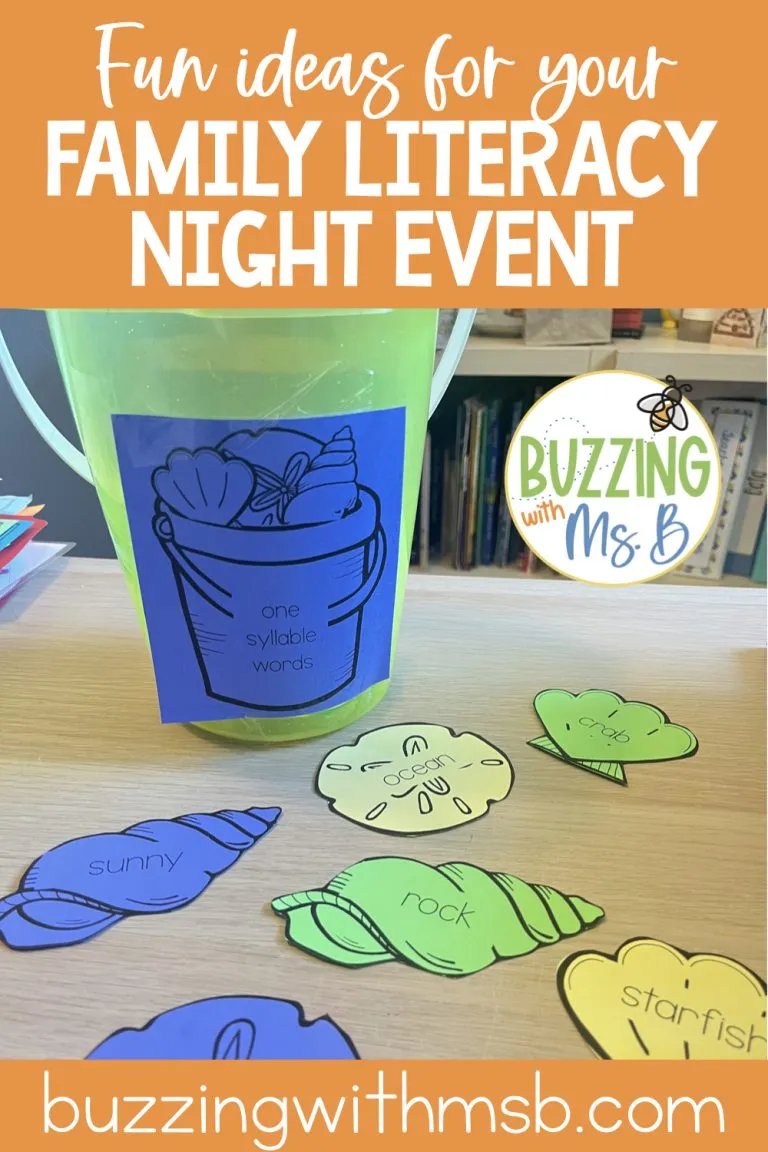
Building strong reading habits begins long before children enter a classroom. Everyday experiences at home, from sharing bedtime stories to reading grocery lists, can help children discover that words, books, and stories are meaningful parts of life. When families make literacy enjoyable and consistent, children have more opportunities to develop language skills, improve reading confidence, and develop a lasting interest in books.
Family literacy activities at home do not need to involve expensive materials, complicated lesson plans, or hours of practice. Simple activities such as reading aloud, telling stories, playing word games, and visiting the library can make a meaningful difference. The most important factors are consistency, encouragement, and opportunities for children to participate.
Parents and caregivers also do not need to be professional teachers to support literacy. By talking with children, answering their questions, sharing books, and showing an interest in learning, families can create an environment where reading becomes a natural part of everyday life.
This guide explores practical family literacy activities, explains how to adapt them for different ages, and provides a weekly plan to help families build sustainable reading routines.
What Are Family Literacy Activities?
Family literacy activities are everyday experiences that help family members develop reading, writing, speaking, listening, and language skills together. They can take place at home, in the community, or during ordinary family routines.
Some activities focus directly on books and reading, while others help children recognize that literacy is useful in real situations. For example, reading a bedtime story supports listening and comprehension, while helping write a shopping list introduces written words and their practical purpose.
Family literacy can include:
- Reading books together.
- Telling stories about family experiences.
- Singing songs and reciting rhymes.
- Playing letter, sound, and vocabulary games.
- Writing greeting cards or short messages.
- Reading recipes and following instructions.
- Exploring books at a library.
- Talking about signs, labels, and everyday information.
- Keeping a family journal or reading log.
These activities can benefit children at different stages of development. Babies can listen to familiar voices and explore board books, preschoolers can learn new words and recognize letters, and school-aged children can strengthen comprehension and independent reading skills.
The goal is not to turn every family interaction into a formal lesson. Instead, families can create regular opportunities to use language, explore ideas, and enjoy learning together.
Why Are Family Literacy Activities Important?
Children learn about reading through both direct instruction and everyday experiences. When families share books, discuss stories, and encourage curiosity, children can develop skills that support their learning at school and beyond.
1. They Build Positive Reading Habits
Children are more likely to see reading as a normal activity when they experience it regularly at home. A short story before bedtime or a few minutes of reading after dinner can establish a predictable routine.
Regular practice also helps children become familiar with books and printed language. Over time, reading may become something they choose to do rather than an activity they associate only with homework.
2. They Develop Vocabulary and Language Skills
Stories, conversations, songs, and word games introduce children to words they might not encounter in everyday conversation.
For example, a book about the ocean may introduce words such as shoreline, current, and coral reef. Parents can explain these words using illustrations, real-life examples, or simple questions.
Children also benefit from hearing adults speak clearly, explain ideas, and respond to questions. These experiences support the language development that contributes to reading comprehension.
3. They Strengthen Reading Comprehension
Reading involves more than recognizing words. Children also need to understand what those words mean and how ideas connect.
Talking about a story helps children practice predicting events, identifying characters, recognizing problems, and explaining what happened.
After reading a story, a parent might ask, “Why do you think the character made that choice?” This encourages the child to think beyond the words on the page.
4. They Encourage Confidence and Independence
Children develop confidence when adults recognize their effort and give them opportunities to make choices.
Allowing a child to select a book, read a familiar passage, or tell a story in their own words communicates that their interests and ideas matter.
If a child struggles with a word, offer help without making the experience stressful. Praise persistence and curiosity instead of expecting every reading session to be perfect.
5. They Strengthen Family Connections
Shared reading creates opportunities for families to spend focused time together. Children can ask questions, express emotions, discuss characters, and connect stories with their own experiences.
These conversations can make books more meaningful while giving parents insight into their children’s interests and understanding.
Resources from Reading Rockets also emphasize that reading aloud can support language development, background knowledge, and positive relationships between adults and children.
12 Family Literacy Activities to Build Reading Habits at Home
Families can choose from many simple activities to make literacy enjoyable. The best options are those that fit a child’s age, interests, abilities, and daily routine.
1. Establish a Daily Family Reading Time
A consistent reading routine is one of the easiest ways to make books part of family life.
Choose a time that works for your household. Some families prefer reading before bedtime, while others find that after-school reading or a quiet period after dinner works better.
Start with a manageable amount of time. Even 10 to 15 minutes can provide an opportunity to enjoy a story and talk about new ideas.
To make the routine successful:
- Choose a regular time whenever possible.
- Let children select some of the books.
- Keep reading materials easy to reach.
- Minimize distractions during the activity.
- Allow younger children to move, point, and ask questions.
- Continue reading aloud even after children begin reading independently.
Consistency matters more than creating a perfect schedule. If a busy day interrupts the routine, simply return to it the next day.
2. Read Aloud and Make Stories Interactive
Reading aloud allows children to experience books that may be too difficult for them to read independently. It also gives adults an opportunity to model expressive reading and introduce unfamiliar vocabulary.
Rather than reading every sentence without interruption, invite children to participate.
Before reading, look at the cover and ask what they think the story might be about. During the story, pause to discuss an illustration or predict what might happen next. Afterward, talk about the characters and the ending.
For example, while reading a story about a lost dog, ask:
- What do you think the dog is looking for?
- How might the dog feel right now?
- What would you do if you found a lost animal?
- What do you think will happen next?
These questions encourage children to listen carefully and connect the story with their own knowledge.
Avoid asking so many questions that reading begins to feel like a test. Sometimes, the best response is simply to enjoy the story together.
3. Let Children Choose Their Own Books
Children are often more interested in reading when they can explore topics they genuinely enjoy.
One child may prefer animals, while another might enjoy sports, space, vehicles, fairy tales, or funny adventures. Giving children choices helps them discover the kinds of books that motivate them.
Offer a variety of reading materials, including:
- Picture books.
- Illustrated nonfiction.
- Comic books and graphic novels.
- Poetry and rhyming books.
- Magazines for children.
- Short stories.
- Age-appropriate digital books.
Do not assume that every child must enjoy the same type of book. Comics, fact books, and illustrated stories can all provide valuable reading experiences.
For younger children, offer two or three suitable options. Older children can browse a library collection or create a list of topics they want to explore.
The purpose is to help children connect reading with curiosity and enjoyment.
4. Play Letter and Sound Games
Letter and sound games help young children notice how spoken language connects with written words.
These activities can take only a few minutes and require little or no equipment.
Try these games:
Beginning-sound hunt: Choose a sound and look for objects that begin with it. For example, find a ball, book, or bag when practicing the /b/ sound.
Rhyming challenge: Say a word such as cat and invite your child to think of words that rhyme with it, such as hat and mat.
Name-letter search: Look for the letters in your child’s name on packaging, signs, books, or labels.
Sound counting: Say a simple word slowly and help your child notice its individual sounds. For example, sun contains the sounds /s/, /u/, and /n/.
Keep activities playful and adapt them to your child’s development. A child who is just beginning to recognize letters may benefit from a different challenge than one who is learning to decode unfamiliar words.
For more ideas, explore our guide to phonemic awareness activities for children.
5. Turn Everyday Tasks Into Reading Opportunities
Literacy does not need to be limited to storybooks. Everyday household activities offer natural opportunities to read, write, and discuss information.
In the kitchen: Read a recipe together, identify ingredients, and follow the steps in order.
At the grocery store: Create a shopping list and help your child find familiar words on packages or signs.
During a walk: Read street signs, notice shop names, and discuss information on community signs.
While doing laundry: Sort clothing by color, read labels, and talk about words describing different fabrics.
When planning a family outing: Read opening hours, directions, tickets, or simple maps together.
These experiences help children understand that reading serves practical purposes. They also allow parents to demonstrate how they use written information in everyday life.
Whenever possible, invite children to participate instead of simply pointing out words for them.
6. Create a Family Storytelling Tradition
Oral storytelling supports children’s ability to organize ideas, understand sequences, develop vocabulary, and communicate clearly.
You do not need to invent elaborate stories. Begin with a familiar experience, a favorite character, or an event that happened during the day.
Try these activities:
- Ask each family member to share one interesting moment from the day.
- Tell a story about a memorable family trip.
- Start a fictional story and let each person add one sentence.
- Ask your child to describe an imaginary adventure.
- Tell a familiar story from a different character’s point of view.
For example, one person might begin with, “A little bird discovered a mysterious box in the garden.” The next person decides what happens when the bird opens it.
Encourage children to describe characters, explain events, and add details. If they struggle to find words, offer suggestions without taking control of the story.
Storytelling can also preserve family traditions and help children learn about relatives, celebrations, and experiences from earlier generations.
7. Make a Family Reading Corner
A dedicated reading area can make books easier to access and help children associate reading with comfort.
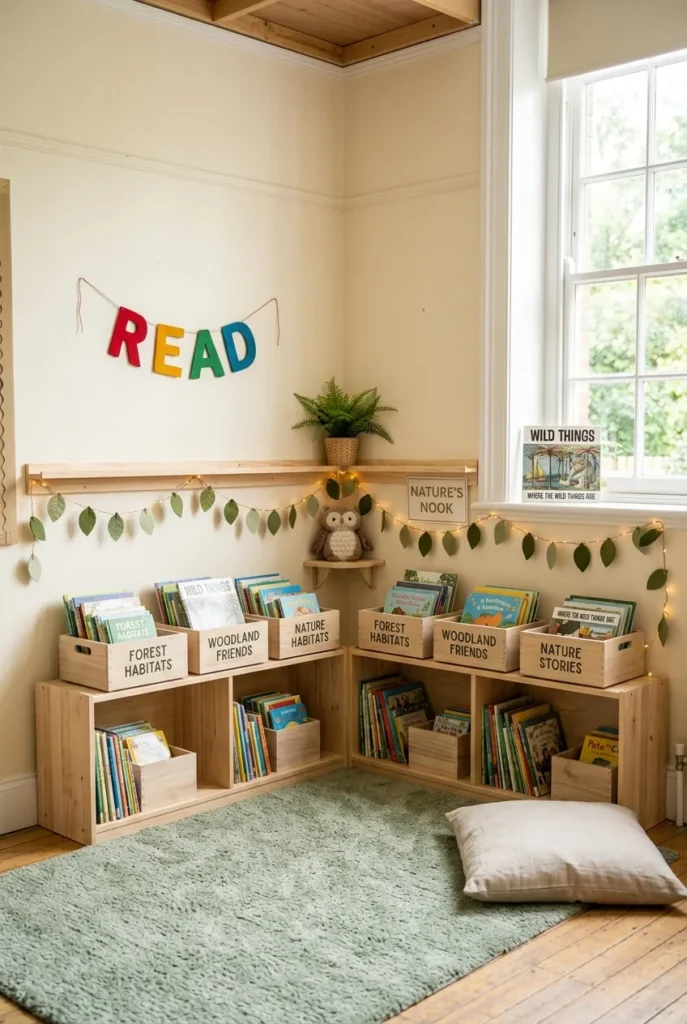
A reading corner does not require a separate room. A small shelf, a basket of books, a cushion, or a comfortable chair may be enough.
To make the space inviting:
- Store books where children can reach them.
- Display a small selection of appealing titles.
- Include books with different topics and formats.
- Provide adequate lighting.
- Keep the area relatively quiet.
- Rotate books occasionally to renew interest.
Let children help organize the space. They might group books by subject, choose a favorite display, or create handmade labels.
If space or money is limited, use borrowed library books, book exchanges, or free reading materials available through reputable organizations.
The aim is to make reading accessible, not to create an expensive home library.
8. Keep a Family Reading Journal
A family reading journal helps children reflect on books and record their experiences.
Younger children can draw pictures, dictate their thoughts to an adult, or write a few letters and words. Older children can write short reviews or summarize the stories they read.
For each book, include:
- The title and author’s name.
- A picture or description of a favorite character.
- One interesting word from the story.
- A favorite part.
- A simple rating or recommendation.
For example, a child might write, “I liked this book because the rabbit helped its friends.”
Do not require a lengthy response after every reading session. A drawing, a sentence, or a short conversation can be enough.
Over time, the journal becomes a record of the family’s reading journey and gives children opportunities to practice writing for a meaningful purpose.
9. Read and Write Together in the Kitchen
Cooking provides a practical way to combine reading, speaking, counting, and following instructions.
Choose a simple recipe that is appropriate for your child’s age and abilities. Read the ingredients together, identify measurements, and discuss the order of the steps.
Younger children can identify familiar letters, name ingredients, or match pictures to objects. Older children can read instructions, prepare a shopping list, or help double a recipe’s quantities with adult guidance.
After cooking, invite your child to describe the process:
- What did we make?
- Which ingredient did we use first?
- What happened after we mixed everything?
- What would you change next time?
Children can also draw the finished dish or write a short recipe card for the family.
Adults should handle knives, hot surfaces, and other kitchen hazards as appropriate. The literacy activity should always fit the child’s age and safety needs.
10. Explore Books in Your Home Language
Children can build important language and literacy foundations through conversations, stories, songs, and books in the languages used by their families.
If your household speaks more than one language, use this as an opportunity to explore words and stories across languages.
You might read a familiar story in one language and discuss it in another, compare words with similar meanings, or ask a relative to share a traditional story.
Families can also explore bilingual books, translated stories, and culturally relevant reading materials.
Speaking a home language is not something families need to avoid to support English learning. Rich conversations in a language adults know well can help children develop vocabulary, narrative skills, and knowledge that they can draw upon when learning another language.
Choose activities that respect your family’s language practices and your child’s educational needs.
11. Use Audiobooks and Digital Reading Tools Thoughtfully
Audiobooks and digital books can make stories accessible in different situations. They may be particularly useful for families with busy schedules, children who enjoy listening, or readers who find printed text challenging.
Listen to a story together and pause occasionally to discuss a character, an unfamiliar word, or an interesting event.
If the book is also available in print, follow along with the text when appropriate. This can help children connect spoken language with written words.
When choosing digital resources:
- Select age-appropriate content.
- Prefer books and activities with a clear educational purpose.
- Turn off unnecessary notifications.
- Avoid letting background media interrupt shared reading.
- Discuss the content rather than relying only on passive listening.
Audiobooks can complement printed books and independent reading, but children still need opportunities to work with written text in ways suited to their age and reading development.
12. Celebrate Reading Without Turning It Into a Competition
Encouragement can help children feel that their reading efforts are valued.
Instead of focusing exclusively on the number of books completed or words read correctly, notice the strategies children use and the progress they make.
You might say:
- “You worked hard to figure out that word.”
- “I liked how you noticed the clue in the picture.”
- “You remembered what happened earlier in the story.”
- “That was an interesting question about the character.”
Create simple family traditions to recognize reading, such as choosing a weekend story, sharing favorite books at dinner, or visiting the library together.
A reading chart may motivate some children, but it should not become a source of pressure. Avoid comparing siblings or making rewards so important that reading itself loses its appeal.
The long-term goal is to develop a positive relationship with reading, not simply to complete a certain number of pages.
Family Literacy Activities for Different Age Groups
Children’s literacy needs change as they grow. Activities should reflect their abilities while giving them manageable opportunities to learn something new.
| Age group | Suggested activities | Main learning focus |
|---|---|---|
| Babies and toddlers | Board books, naming pictures, songs, nursery rhymes, simple conversations | Listening, vocabulary, and familiarity with books |
| Preschool children | Picture-book discussions, rhyming games, letter hunts, storytelling | Oral language, print awareness, and early sound skills |
| Kindergarten and early elementary | Shared reading, simple writing, word games, reading signs and lists | Beginning reading, spelling, vocabulary, and comprehension |
| Upper elementary | Independent reading, book discussions, journals, nonfiction research | Fluency, comprehension, vocabulary, and written expression |
| Older children and teenagers | Reading articles, discussing current interests, exploring novels, evaluating online information | Critical thinking, interpretation, research, and independent learning |
These age ranges are general guides rather than strict rules. Children develop at different rates, and some may benefit from activities usually offered to younger learners while others are ready for more advanced challenges.
If a child consistently struggles with reading, consider discussing their progress with their teacher. Extra practice can help, but persistent difficulties may require targeted instruction or an assessment of their learning needs.
How to Build a Family Reading Routine That Lasts
Even useful activities can be difficult to maintain when family schedules are busy. A simple plan makes it easier to turn occasional reading into a regular habit.
Start With a Small Commitment
Choose a realistic starting point, such as 10 minutes of shared reading on most days.
A short, enjoyable activity is easier to maintain than a demanding schedule that creates stress. Once the routine becomes familiar, your family can extend it if everyone wants to.
Connect Reading to an Existing Habit
Pair reading with something your family already does.
For example, read after breakfast, before bedtime, or immediately after putting schoolbags away. Connecting reading with an established routine can reduce the need to remember a separate activity.
Share Responsibility
Parents do not have to lead every reading session.
Older siblings can read to younger children, another caregiver can tell a story, or children can take turns choosing books. Adults can also model independent reading by spending a few minutes with their own books, magazines, or other meaningful reading materials.
Make Materials Easy to Find
Keep a few books in accessible places, such as the living room, bedroom, or family reading corner.
Rotate titles to maintain interest and borrow additional materials when possible. Children are more likely to explore books when they do not need to search for them.
Adjust the Routine When Necessary
Some evenings will be busy, and some children will be too tired to concentrate.
On those days, try a short poem, a familiar picture book, or a conversation about a story. If a routine repeatedly causes frustration, change the timing or format.
The best family literacy routine is one that fits your household and can be sustained over time.
A Simple Seven-Day Family Literacy Plan
Families can use the following weekly schedule to introduce a variety of literacy experiences without making every day feel like a lesson.
| Day | Activity | Suggested time | Purpose |
|---|---|---|---|
| Monday | Read a favorite story together | 10–15 minutes | Build a predictable reading habit |
| Tuesday | Play a rhyming or beginning-sound game | 5–10 minutes | Develop awareness of spoken sounds |
| Wednesday | Read a recipe or make a shopping list | 10 minutes | Connect literacy with everyday tasks |
| Thursday | Let each family member tell part of a story | 10–15 minutes | Practice speaking and organizing ideas |
| Friday | Visit a library or explore books at home | 15–30 minutes | Encourage choice and curiosity |
| Saturday | Read nonfiction about a child’s favorite topic | 10–20 minutes | Expand vocabulary and background knowledge |
| Sunday | Draw or write about a favorite book | 10–15 minutes | Reflect on reading and practice writing |
Treat this plan as a flexible starting point rather than a requirement. You can repeat favorite activities, exchange days, or choose a different option based on your child’s interests.
For younger children, activities may last only a few minutes. Older children may enjoy longer discussions or independent reading periods.
The purpose is to create regular, positive experiences with language and books.
How to Support a Child Who Does Not Enjoy Reading
Not every child immediately enjoys books. Some find reading difficult, while others prefer activities involving movement, conversation, building, or hands-on exploration.
The solution is not necessarily to demand more reading time. Instead, identify what makes reading less appealing and adjust the experience.
Find the Underlying Barrier
A child may avoid reading because the books are too difficult, the topics are uninteresting, or previous experiences have created frustration.
Ask open questions about what they enjoy and what they find challenging. If reading itself appears difficult, speak with their teacher about their progress and the types of support that may be appropriate.
Choose High-Interest Materials
Look for books about subjects the child already enjoys. A sports fan might prefer a biography of an athlete, while an animal enthusiast may enjoy illustrated nonfiction.
The reading material does not need to be long to be worthwhile. A short article, comic, or illustrated book can provide a useful starting point.
Read Together Without Pressure
Take turns reading, listen to audiobooks together, or read aloud while the child follows the illustrations.
If the child is learning to read, offer support when necessary and avoid criticizing mistakes. Make sure the reading material is manageable enough for the child to experience success.
Give the Child Some Control
Allow children to choose the book, decide where to read, or select whether they want to read silently or aloud when appropriate.
Choice can help reduce conflict and encourage children to see reading as an activity in which they have a voice.
For more detailed guidance, read our article on how to encourage reluctant readers.
Common Mistakes to Avoid During Family Literacy Activities
Family literacy works best when children feel supported rather than constantly evaluated.
Avoid these common mistakes:
Making every activity feel like homework. Reading can involve learning, but it should also leave room for fun, curiosity, and imagination.
Correcting every mistake immediately. Frequent interruptions can make children anxious. Offer the support they need without losing the meaning or enjoyment of the story.
Choosing books only by age or reading level. Consider interests, confidence, format, and individual needs as well.
Expecting every child to enjoy the same activity. Children have different personalities and preferences. Experiment until you find suitable options.
Focusing only on reading aloud. Shared stories are valuable, but children also benefit from conversations, word games, writing, independent reading, and explicit reading instruction when needed.
Comparing siblings. Each child develops at a different pace. Focus on individual effort and progress instead of competition.
Giving up after missing a day. A routine does not need to be perfect to be useful. Return to the activity when your schedule allows.
A supportive home environment combines regular practice with flexibility. When families respond to children’s needs and interests, literacy activities are more likely to remain enjoyable.
How Parents Can Measure Progress in Reading Habits
Progress is not measured only by the number of books a child finishes. Families can also observe changes in interest, confidence, participation, and understanding.
Look for signs such as:
- The child asks to hear a favorite story again.
- They choose books or other reading materials independently.
- They recognize familiar letters, words, or story patterns.
- They ask questions about characters or new information.
- They retell parts of a story in their own words.
- They show greater willingness to attempt challenging words.
- They use new vocabulary in everyday conversations.
- They begin reading or writing for practical purposes.
These observations can help parents identify what is working and what might need adjustment.
A simple reading journal can record favorite books, questions, and new interests. However, avoid turning every activity into a performance measure. Some of the most valuable progress occurs when children become more curious and comfortable exploring written language.
If concerns about reading development persist, consult the child’s teacher or a qualified reading specialist rather than relying on home activities alone.
Frequently Asked Questions About Family Literacy Activities at Home
1. What are the best family literacy activities at home?
Effective activities include reading aloud, discussing stories, playing word games, telling stories, keeping a reading journal, reading recipes, and creating shopping lists. The best choices depend on the child’s age, interests, and current skills. Activities should be enjoyable, manageable, and repeated regularly.
2. How much time should families spend reading together each day?
Families can begin with 10 to 15 minutes of shared reading each day, adjusting the duration to the child’s age, attention span, and needs. Younger children may prefer several short sessions, while older children may enjoy longer periods. Consistency and engagement are more important than meeting a rigid time target.
3. Can family literacy activities help preschool children?
Yes. Picture books, songs, rhymes, conversations, and simple storytelling can help preschool children develop vocabulary, listening skills, print awareness, and an interest in books. Activities should be playful and appropriate to the child’s development rather than structured like formal school lessons.
4. How can parents encourage children who dislike reading?
Start by identifying the reason for their reluctance. Offer interesting books, comics, illustrated nonfiction, audiobooks, and shared reading opportunities. Let children make choices, keep sessions manageable, and praise their effort. If reading appears consistently difficult, talk with their teacher about additional support.
5. Do parents need to buy expensive books or learning materials?
No. Families can borrow books from libraries, exchange books with friends, reuse materials they already own, and create games with household objects. Everyday items such as food labels, calendars, recipes, and shopping lists can also provide meaningful literacy opportunities.
6. Should parents read aloud after children learn to read independently?
Yes. Reading aloud can remain valuable after children learn to read on their own. It exposes them to new vocabulary, more complex stories, and topics they may not yet be ready to read independently. Shared reading also provides opportunities to discuss ideas and maintain a positive family reading routine.
7. Can families support literacy in more than one language?
Yes. Families can share stories, songs, conversations, and books in the languages they use at home. Bilingual books and stories from different cultures can provide additional opportunities to explore language and meaning. Families should choose activities that suit their child’s needs and educational context.
8. What if a parent has very little time to read with a child?
Short activities can fit naturally into existing routines. Read a page before bed, talk about a story during breakfast, identify words while shopping, or listen to an audiobook together. Sharing literacy responsibilities among caregivers can also help maintain regular opportunities for learning.
Conclusion: Make Reading a Natural Part of Family Life
Building strong reading habits does not require a complicated teaching plan or a large collection of books. Small, consistent experiences can help children develop a positive relationship with reading and discover how language connects to the world around them.
The most effective family literacy activities at home are those that combine regular practice with enjoyment. Reading together, exploring interesting topics, playing word games, telling stories, and involving children in everyday tasks can all support literacy development.
Start with one or two activities that fit your family’s schedule. Give children opportunities to choose, ask questions, and explore their interests. As these experiences become familiar, expand your routine with new books and activities.
Above all, let children see that reading is not only a school skill. It is also a way to discover new ideas, share experiences, solve problems, and spend meaningful time together. By making literacy a welcoming part of everyday life, families can help children build habits that support learning for years to come.

Leave a Reply