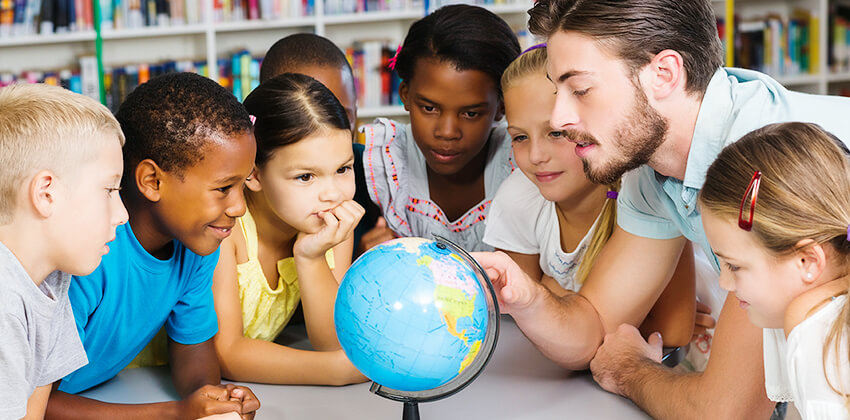
Cultural awareness is an essential part of modern education. Classrooms bring together students with different languages, family traditions, experiences, beliefs, interests, and perspectives. Helping learners understand and respect these differences can create a more inclusive learning environment while preparing them to communicate and collaborate with people from different backgrounds.
Cultural awareness activities for students provide practical opportunities to explore similarities and differences, learn about diverse communities, question stereotypes, and develop empathy. Through storytelling, collaborative projects, cultural research, literature, music, and guided discussions, teachers can help students build a deeper understanding of the world around them.
Cultural awareness should go beyond celebrating special occasions or memorizing facts about different countries. It involves encouraging curiosity, listening respectfully, recognizing individual experiences, and understanding that no single person represents an entire culture. When these principles are integrated into everyday teaching, students can develop stronger communication skills, critical thinking, and a greater sense of belonging.
This guide explores the importance of cultural awareness in education, offers practical classroom activities for different age groups, and explains how teachers can create meaningful, inclusive learning experiences.
What Is Cultural Awareness in Education?
Cultural awareness in education means recognizing that people may have different traditions, languages, values, communication styles, histories, and experiences. It also involves understanding how these differences can influence learning, relationships, and interactions within a school community.
Culture can include many aspects of everyday life, such as:
- Language and communication.
- Family traditions and community practices.
- Food, clothing, music, and art.
- Stories, literature, and historical experiences.
- Celebrations and cultural heritage.
- Social expectations and ways of expressing respect.
- Regional identities and community connections.
Culture is not limited to nationality or ethnicity. Students within the same community may have different family experiences, interests, languages, abilities, and personal identities.
In a classroom, cultural awareness helps students approach these differences with curiosity rather than judgment. It also encourages teachers to recognize the knowledge and experiences students bring to their learning.
For example, a lesson about storytelling might explore traditional folktales from several regions while inviting students to compare characters, themes, and moral lessons. Learners can discover differences in storytelling traditions while identifying common themes such as courage, kindness, responsibility, and cooperation.
The goal is not to suggest that all members of a group think or behave alike. Instead, students learn to appreciate diversity while recognizing each person’s individuality.
Why Cultural Awareness Activities Are Important for Students
Cultural awareness activities can help students develop academic, social, and interpersonal skills. Their value is greatest when they encourage thoughtful participation, meaningful discussion, and respectful exploration rather than relying on stereotypes or superficial comparisons.
1. Promoting Respect for Differences
Students may encounter unfamiliar customs, languages, or viewpoints in school and everyday life. Without opportunities to discuss these differences, they may misunderstand them or make assumptions based on limited information.
Classroom activities can help students learn that different traditions and perspectives deserve thoughtful consideration.
For example, students might compare greetings used in different communities and discuss how people communicate respect in various situations. The teacher can explain that customs differ within cultures and that it is important to consider individual preferences.
These discussions help create a classroom where differences are treated as opportunities to learn.
2. Developing Empathy and Understanding
Cultural awareness encourages students to consider experiences beyond their own.
Reading stories about people from different backgrounds, analyzing personal narratives, and discussing fictional scenarios can help learners think about how circumstances influence people’s perspectives.
A student reading a story about a child adjusting to a new school, for instance, might consider the challenges of learning unfamiliar routines, communicating in another language, or building friendships.
Teachers can use these examples to encourage empathy without expecting students to assume that everyone from a particular group shares the same experiences.
3. Improving Communication Skills
Students need opportunities to listen carefully, ask respectful questions, explain their ideas, and respond thoughtfully when discussing unfamiliar perspectives.
Cultural awareness activities create opportunities to practice these skills in structured settings.
Group discussions, interviews, presentations, and collaborative projects can help learners express their opinions clearly while considering the views of others.
Students also learn that effective communication involves more than speaking. Listening, checking assumptions, and asking for clarification are equally important.
4. Strengthening Critical Thinking
Cultural learning can encourage students to question stereotypes, examine sources, and distinguish evidence from assumptions.
For example, a class might analyze how a community is represented in a textbook, news story, film, or advertisement. Students can identify whose perspectives are included, which voices are missing, and whether the representation relies on generalizations.
These activities help learners understand that information should be examined critically rather than accepted without question.
5. Building a Sense of Belonging
Students are more likely to feel recognized when their experiences and backgrounds are treated respectfully in the classroom.
Teachers can strengthen belonging by including diverse authors, historical figures, artists, scientists, and community leaders in their lessons.
They can also invite students to share aspects of their interests or experiences voluntarily, without requiring anyone to speak on behalf of a cultural or religious group.
When students see that different experiences are welcomed, classroom participation can become more inclusive.
6. Preparing Students for a Connected World
Students increasingly encounter different cultures through education, travel, media, technology, and future workplaces.
Cultural awareness helps learners approach these interactions with greater flexibility and respect.
Understanding different perspectives can also support collaboration, problem-solving, and responsible participation in diverse communities.
These skills are useful across subjects and can continue to benefit students long after they leave school.
12 Cultural Awareness Activities for Students
Teachers can introduce cultural awareness through simple classroom exercises or develop longer projects that combine research, creativity, discussion, and assessment.
The following activities can be adapted to different grade levels, classroom sizes, and available resources.
1. Cultural Identity Maps
<PRIVATE_PERSON>ultural identity maps help students explore the different experiences and influences that contribute to their identities.
Ask learners to create a visual map using words, drawings, symbols, or photographs. They might include hobbies, languages they know, favorite stories, family traditions they choose to share, community connections, interests, or meaningful experiences.
Students can then explain selected parts of their maps to a partner or small group.
Learning objectives:
- Recognize that identity has multiple dimensions.
- Identify similarities and differences among classmates.
- Practice self-expression and respectful listening.
Teacher tip: Make sharing voluntary. Students should be allowed to discuss interests or personal experiences without revealing private family information.
2. World Storytelling and Folktales
Stories provide an accessible way to explore cultural values, historical experiences, and different perspectives.
Choose age-appropriate folktales, myths, legends, and contemporary stories from different communities. Read or listen to the stories together, then discuss their characters, conflicts, settings, and messages.
Students can compare how stories from different places address themes such as bravery, honesty, friendship, family, or responsibility.
They might also rewrite a scene from another character’s perspective or create an illustrated summary.
Learning objectives:
- Improve reading comprehension.
- Identify themes across different stories.
- Understand how storytelling reflects particular contexts and traditions.
Teachers should use reliable sources and avoid presenting one story as representative of an entire culture.
3. Languages and Everyday Expressions
Language activities help students understand how communication reflects culture, relationships, and local history.
Introduce greetings, common expressions, or words from different languages. If students voluntarily contribute languages they know, invite them to teach the class a greeting or explain a word that has special meaning.
Students can compare how people express gratitude, welcome visitors, or show respect in different contexts.
A classroom word wall can display approved words alongside their meanings and pronunciation guides.
Learning objectives:
- Develop curiosity about languages.
- Recognize multilingual abilities as valuable skills.
- Practice respectful communication.
Teachers should verify unfamiliar translations and pronunciations rather than relying on assumptions.
4. Cultural Art and Pattern Exploration
Art can help students explore visual traditions, symbolism, creativity, and historical influences.
Introduce examples of textiles, pottery, architecture, painting, calligraphy, or decorative patterns from several communities. Discuss the materials, techniques, historical contexts, and meanings associated with specific examples.
Students can then create original artwork inspired by a technique or design principle they studied.
For instance, a class might investigate geometric patterns in architecture and use those principles to design a symmetrical composition.
Learning objectives:
- Develop visual literacy and creativity.
- Recognize artistic traditions from different communities.
- Understand the context behind cultural objects and designs.
Explain where particular art forms originate and avoid treating sacred or culturally significant designs as generic decorations.
5. Music and Rhythm Around the World
Music provides opportunities to explore instruments, rhythm, performance, and cultural expression.
Play selected examples of music from different traditions using reliable educational resources. Ask students to identify instruments, describe rhythms, and explain the emotions or images the music evokes for them.
Students can compare musical structures or create a rhythm pattern using classroom percussion instruments.
Where appropriate, invite a knowledgeable musician or community educator to explain the context of a musical tradition.
Learning objectives:
- Recognize musical diversity.
- Develop listening and analytical skills.
- Explore connections between music and community life.
Teachers should distinguish between different musical traditions rather than describing all music from a large region as the same.
6. Cultural Geography Research Project
This activity combines geography, history, language, and research skills.
Assign small groups a region, city, or community to investigate using reliable books, maps, educational websites, and other appropriate resources.
Students can explore geography, languages, historical landmarks, artistic traditions, and local environmental features. Each group then creates a presentation or visual display.
The project should include references to sources and explain how geography and history influence particular aspects of community life.
Learning objectives:
- Develop research and information-literacy skills.
- Understand relationships between geography and culture.
- Practice collaboration and presentation skills.
Encourage students to investigate contemporary life as well as history so that communities are not presented as frozen in the past.
7. Cultural Perspectives in Literature
Literature can introduce students to experiences, viewpoints, and social settings different from their own.
Select age-appropriate books written by authors from diverse backgrounds. Students can examine the characters’ motivations, conflicts, relationships, and environments.
Discussion questions might include:
- How does the character’s environment influence the story?
- What assumptions do other characters make?
- Which experiences are familiar or unfamiliar to the reader?
- What does the story reveal about the individual, and what should we avoid generalizing to an entire group?
Students can compare two texts that approach a similar theme from different perspectives.
Learning objectives:
- Strengthen analytical reading.
- Recognize multiple viewpoints.
- Examine representation and stereotypes thoughtfully.
Choose books with complex, authentic characters rather than selecting texts that rely on simplistic portrayals of cultural groups.
8. Community History Interviews
Students can investigate local history by learning from community members, elders, librarians, or other willing participants.
Before conducting an interview, the class should develop respectful questions and discuss permission, privacy, and accurate note-taking.
Possible questions include:
- What changes have you noticed in this community?
- Which local places have historical significance?
- What traditions or community activities have changed over time?
- Which stories do you think future generations should preserve?
Students can summarize what they learned through written reports, timelines, or short presentations.
Learning objectives:
- Develop interviewing and listening skills.
- Connect personal accounts with local history.
- Understand that communities change over time.
Students should distinguish personal recollections from independently verified historical facts and obtain permission before recording or publishing interviews.
9. Cultural Celebrations and Traditions Research
Students can investigate how different communities mark important occasions, seasonal events, family milestones, or historical anniversaries.
Rather than focusing only on costumes or food, ask learners to explore the history, meaning, and social context of a selected celebration.
Students might research its origins, common activities, regional variations, and how the celebration has changed over time.
They can then create an informative poster, presentation, or comparison chart.
Learning objectives:
- Understand the significance of selected traditions.
- Practice using reliable sources.
- Recognize diversity within communities.
Participation should be educational and inclusive. Students should never be pressured to disclose religious beliefs or participate in activities that conflict with their personal or family values.
10. Cultural Foodways and Food History
Food can provide a useful starting point for exploring geography, agriculture, migration, trade, family traditions, and historical exchange.
Students can investigate the origins of selected ingredients, how climate affects food production, or how trade routes influenced the movement of crops and cooking methods.
For example, a class might study how rice, wheat, spices, or other ingredients spread across regions and became part of different culinary traditions.
Learners can present their findings through maps, timelines, recipes, or illustrated reports.
Learning objectives:
- Connect cultural studies with geography and history.
- Develop research and presentation skills.
- Understand how traditions evolve through contact and exchange.
Avoid assuming that every student can bring food from home. Consider allergies, dietary requirements, food safety, cost, and religious or ethical restrictions before planning any tasting activity.
11. Comparing Cultural Perspectives Through Role-Play
Carefully designed role-play activities can help students practice communication, conflict resolution, and perspective-taking.
Present a fictional classroom or community scenario involving a misunderstanding. For example, two students may interpret a communication style differently or disagree about how to organize a group project.
Ask students to discuss what each person might be thinking, what information is missing, and how the characters could clarify their intentions.
The activity should focus on individual behavior and communication rather than asking students to imitate accents, clothing, or stereotyped characteristics.
Learning objectives:
- Practice respectful disagreement.
- Develop conflict-resolution strategies.
- Recognize the importance of asking questions before making assumptions.
Conclude with a reflection on how students could use the same communication strategies in real situations.
12. Cultural Diversity Classroom Exhibition
A classroom exhibition can bring together learning from several cultural awareness activities.
Students create displays based on research into literature, art, music, community history, languages, geography, or other approved topics.
Each display should explain the topic accurately and identify its sources. Students can act as presenters, answer visitors’ questions, and reflect on what they learned from other groups.
The exhibition may take place within one classroom or involve other classes and families, provided participation is voluntary and practical arrangements are appropriate.
Learning objectives:
- Consolidate research and communication skills.
- Share knowledge with a wider audience.
- Encourage collaboration and appreciation of diversity.
Assess the quality of research, accuracy, reflection, and respectful representation rather than the cost of materials or the visual size of each display.
How to Adapt Cultural Awareness Activities for Different Age Groups
Students’ developmental needs influence the complexity of cultural topics, the level of independence they can manage, and the type of discussion that will be most productive.
Early Childhood and Kindergarten
Young children benefit from concrete, interactive activities that help them notice similarities and differences without making value judgments.
Suitable activities include:
- Reading picture books featuring diverse characters.
- Learning greetings and simple words.
- Exploring different musical instruments and rhythms.
- Creating identity drawings based on interests and favorite activities.
- Discussing family and community stories that children choose to share.
Teachers should use simple language, model respectful behavior, and respond gently when children make generalizations.
The goal is to build curiosity, kindness, and an early understanding that people can have different experiences.
Primary School Students
Primary school learners can begin comparing traditions, exploring local history, and investigating cultural topics through guided research.
Appropriate activities include storytelling projects, cultural geography maps, art exploration, language activities, and class presentations.
Teachers can introduce simple source evaluation by asking who created a resource, what information it provides, and whether other sources support its claims.
Activities should balance creativity with accurate information and thoughtful discussion.
Middle School Students
Middle school students can examine cultural representation, identity, stereotypes, historical change, and the relationship between communities and institutions.
Useful activities include literature analysis, oral-history interviews, media comparisons, collaborative research projects, and structured discussions about cultural misunderstandings.
Teachers should establish clear discussion rules and encourage students to support their interpretations with evidence.
Students can also reflect on how their own experiences influence the way they understand unfamiliar topics.
High School Students
High school students can explore complex cultural questions through research, debate, historical analysis, and community projects.
Possible activities include:
- Analyzing representation in news, film, and advertising.
- Comparing historical accounts from different perspectives.
- Investigating migration, language change, or cultural exchange.
- Studying how traditions evolve across generations.
- Examining bias in selected texts or media.
- Interviewing community members as part of a structured research project.
Older learners should evaluate sources critically, distinguish evidence from opinion, and acknowledge the limitations of their findings.
Teachers should guide discussions carefully when topics involve discrimination, conflict, or personal experiences.
A Five-Day Cultural Awareness Lesson Plan
Teachers who want to introduce cultural awareness gradually can organize a short learning unit that combines reflection, research, creative work, and discussion.
| Day | Main focus | Classroom activity | Learning outcome |
|---|---|---|---|
| Day 1 | Identity and belonging | Create personal identity maps using voluntary sharing | Recognize that identity includes many experiences and interests |
| Day 2 | Stories and perspectives | Read and compare stories by authors from different backgrounds | Identify themes and examine different viewpoints |
| Day 3 | Culture and community | Research a cultural or historical topic using reliable sources | Develop research and information-literacy skills |
| Day 4 | Art, music, and expression | Analyze examples and create an original response | Explore creative traditions with context and respect |
| Day 5 | Reflection and presentation | Present findings and write a reflection | Demonstrate understanding and identify new questions |
Suggested Assessment
At the beginning of the unit, ask students to write a brief response to the question, “What does cultural awareness mean to you?”
At the end, ask them to explain what they learned, describe one assumption they reconsidered, and identify a strategy for communicating respectfully with someone whose experiences differ from their own.
Teachers can assess students’ understanding through reflection writing, source use, discussion contributions, and project quality.
The assessment should focus on learning and respectful reasoning, not on requiring students to express a particular personal identity or disclose private beliefs.
How Teachers Can Create a Culturally Inclusive Classroom
Classroom activities are more effective when the wider learning environment also communicates respect, fairness, and belonging.
Represent Different Experiences in Learning Materials
Review books, examples, images, historical accounts, and classroom resources to determine whether they include a meaningful range of perspectives.
Students should encounter people from different backgrounds in varied roles, including as scientists, writers, leaders, artists, educators, and problem-solvers.
Representation should be accurate and purposeful rather than limited to occasional themed lessons.
Learn and Pronounce Students’ Names Correctly
Names are an important part of personal identity. Teachers can ask students how they pronounce their names and make a genuine effort to use them correctly.
If a pronunciation is unfamiliar, respectful practice is more helpful than repeatedly avoiding or shortening a student’s name without permission.
Encourage Multiple Perspectives
When discussing literature, history, or current events, invite students to consider how different people might interpret the same situation.
Teachers should distinguish between respecting a person’s right to contribute and treating every claim as equally supported by evidence. Students can learn to discuss differences while using reliable information and clear reasoning.
Establish Clear Discussion Expectations
Before beginning cultural activities, agree on rules for respectful conversation.
Students should listen without interruption, avoid insults and stereotypes, ask questions thoughtfully, and recognize that classmates may choose not to discuss personal experiences.
Teachers should respond promptly to discriminatory comments and use appropriate opportunities to correct harmful assumptions.
Avoid Making Students Representatives of a Culture
No student should be expected to explain an entire religion, nationality, ethnicity, language group, or community.
A student may choose to share personal knowledge, but the teacher should make it clear that one person’s experience cannot represent everyone within a group.
Use reliable learning resources and invite qualified speakers when specialist knowledge would strengthen a lesson.
Reflect on Teaching Materials and Assumptions
Teachers can regularly review whether their examples, expectations, classroom routines, and responses to student behavior are fair and inclusive.
They can also seek feedback from colleagues, students, and families where appropriate.
This ongoing reflection helps educators improve their practice rather than assuming that cultural awareness can be achieved through a single activity.
Common Mistakes to Avoid When Teaching Cultural Awareness
Well-intentioned activities can become less effective when they oversimplify cultural differences or place unnecessary pressure on students.
Reducing Culture to Food, Clothing, and Festivals
Food, clothing, and celebrations can be useful topics, but culture also includes language, literature, history, values, creative expression, social relationships, and changing community experiences.
A balanced learning program explores both everyday life and broader historical and social contexts.
Treating Cultures as Uniform
Large communities contain substantial internal diversity. People may interpret traditions differently, follow different practices, or identify with several cultural influences.
Teachers should use careful language and avoid statements suggesting that every member of a group behaves in the same way.
Using Unverified Information
Online materials may contain inaccuracies, outdated generalizations, or stereotyped representations.
Students should use credible educational resources, compare sources, and identify where information comes from.
Teachers should check the accuracy and suitability of materials before introducing them.
Pressuring Students to Share Personal Information
Some students may not want to discuss their family histories, beliefs, languages, or experiences.
Activities should allow alternative topics and forms of participation. Students can learn about culture through books, research, art, and historical sources without disclosing private information.
Celebrating Diversity Without Addressing Bias
Celebrations can create enjoyable learning experiences, but they do not automatically help students recognize unfair treatment or stereotypes.
Age-appropriate lessons should also teach respectful disagreement, source evaluation, bias recognition, and constructive ways to respond to exclusion.
Assessing Students on Personal Beliefs
Teachers should evaluate students’ understanding, reasoning, research, and communication rather than whether they hold a particular personal opinion.
Clear learning criteria help maintain fairness while allowing thoughtful discussion of complex topics.
How to Measure the Impact of Cultural Awareness Activities
Teachers can evaluate cultural awareness learning by examining what students understand, how they reason about differences, and how effectively they participate in respectful discussions.
Use Reflection Journals
Ask students to record what they learned, which ideas challenged their assumptions, and what questions they still have.
Reflection journals can reveal changes in understanding over time and help teachers identify topics that require further explanation.
Students should not be required to reveal sensitive personal experiences in their journals.
Assess Research Projects
Evaluate whether students use reliable sources, explain their findings accurately, recognize differences within communities, and avoid unsupported generalizations.
A simple rubric can assess research quality, content accuracy, critical thinking, collaboration, and presentation skills.
Observe Classroom Discussions
Teachers can observe whether students listen respectfully, ask relevant questions, use evidence, and respond constructively to different viewpoints.
These observations should focus on specific behaviors rather than assumptions about students’ personalities or cultural backgrounds.
Gather Student Feedback
Anonymous feedback forms can help teachers understand whether students feel comfortable participating, whether the activities were useful, and what they would change.
Questions might include:
- Which activity helped you understand a new perspective?
- Did the class provide opportunities to ask questions respectfully?
- What would make future activities more useful?
- What topic would you like to investigate further?
Review the Classroom Environment
Teachers can examine whether learning materials represent diverse experiences, whether participation opportunities are distributed fairly, and whether classroom expectations are applied consistently.
Evaluation should lead to practical improvements. If students struggle to distinguish cultural facts from stereotypes, for example, the teacher can add source-evaluation exercises and more explicit discussion of generalizations.
Integrating Cultural Awareness Across School Subjects
Cultural awareness does not need to be taught only during a dedicated social studies lesson. Teachers can integrate it into several subjects while maintaining the academic goals of each course.
English and language arts: Read literature from different authors, compare storytelling traditions, study language variation, and analyze how characters experience the world.
History: Examine events through multiple documented perspectives, compare primary and secondary sources, and explore how communities preserve or reinterpret their histories.
Geography: Investigate how location, climate, migration, trade, and environmental conditions influence community life.
Art: Explore artistic movements, techniques, symbolism, and the historical context of selected works.
Music: Compare musical structures, instruments, and performance traditions while studying their origins and social contexts.
Science: Recognize contributions from scientists working across different regions and historical periods. Discuss how scientific knowledge develops through observation, evidence, and collaboration.
Civics: Explore community participation, shared responsibilities, human rights, respectful disagreement, and ways people work together across differences.
Digital literacy: Analyze how online media represents different communities, evaluate source credibility, and identify misleading or stereotyped content.
Integrating cultural awareness across subjects helps students understand that diverse perspectives can enrich learning in many academic areas.
Frequently Asked Questions About Cultural Awareness Activities for Students
1. What are cultural awareness activities for students?
Cultural awareness activities are classroom exercises that help students understand different traditions, languages, histories, experiences, and perspectives. Examples include storytelling, cultural research, identity mapping, music exploration, literature analysis, and community history projects.
2. Why is cultural awareness important in schools?
Cultural awareness can help students develop respect, empathy, communication skills, critical thinking, and a stronger sense of belonging. It also prepares learners to collaborate with people whose experiences and perspectives may differ from their own.
3. What are some easy cultural awareness activities for elementary students?
Elementary teachers can use picture books, storytelling, language games, art projects, cultural geography maps, and guided discussions about similarities and differences. Activities should be age-appropriate, interactive, and designed to avoid stereotypes.
4. How can teachers promote cultural awareness in the classroom?
Teachers can include diverse authors and historical perspectives in their curriculum, establish respectful discussion rules, encourage voluntary sharing, use reliable resources, and provide opportunities for collaborative learning. They should also review classroom materials and reflect on their teaching practices.
5. How can cultural awareness activities help prevent stereotypes?
These activities can help students examine assumptions, learn about individual experiences, compare reliable sources, and recognize diversity within communities. Guided discussions can also teach learners to question generalizations and use evidence when evaluating claims.
6. How can schools celebrate cultural diversity without stereotyping?
Schools should provide accurate context, represent communities in varied ways, and avoid treating a single tradition as universal. Activities should emphasize learning, individual choice, respectful participation, and the diversity that exists within cultural groups.
7. How can teachers assess cultural awareness?
Teachers can assess research projects, reflective writing, classroom discussions, presentations, and students’ ability to analyze different perspectives respectfully. Assessment should focus on learning outcomes and reasoning rather than personal beliefs or cultural identity.
8. What is the difference between cultural awareness and cultural competence?
Cultural awareness involves recognizing and understanding cultural differences and one’s own assumptions. Cultural competence generally refers to applying that understanding effectively and respectfully in interactions and professional practice. The terms are related, and their precise definitions can vary by context.
9. Can cultural awareness be taught across all subjects?
Yes. Teachers can integrate cultural perspectives into literature, history, geography, art, music, science, civics, and digital literacy. Activities should remain relevant to the subject’s learning objectives while helping students explore diverse contributions and experiences.
10. How can parents support cultural awareness at home?
Parents can encourage reading, discuss community traditions, explore age-appropriate stories and documentaries, visit libraries or cultural institutions, and model respectful curiosity about different perspectives. Children should also learn that people within the same community may have different experiences and preferences.
Conclusion
Teaching cultural awareness through classroom activities helps students understand the richness of human experiences while developing skills that support learning, communication, and cooperation. Storytelling, cultural research, language exploration, art, music, literature, and community history projects can introduce learners to new perspectives and encourage thoughtful discussion.
The most effective cultural awareness activities for students are purposeful, inclusive, age-appropriate, and supported by accurate information. They allow learners to explore differences without reducing people to stereotypes, share personal experiences voluntarily, and recognize that cultural identity can be complex and change over time.
Teachers can strengthen these activities by integrating cultural perspectives across the curriculum, establishing clear expectations for respectful discussion, and assessing learning through reflection, research, and critical thinking.
Cultural awareness is not a one-day celebration or a single classroom project. It develops through consistent teaching, meaningful relationships, and opportunities to learn from a range of perspectives. By making cultural understanding part of everyday education, schools can help students build more respectful classrooms and become thoughtful participants in an increasingly connected world.
Leave a Reply