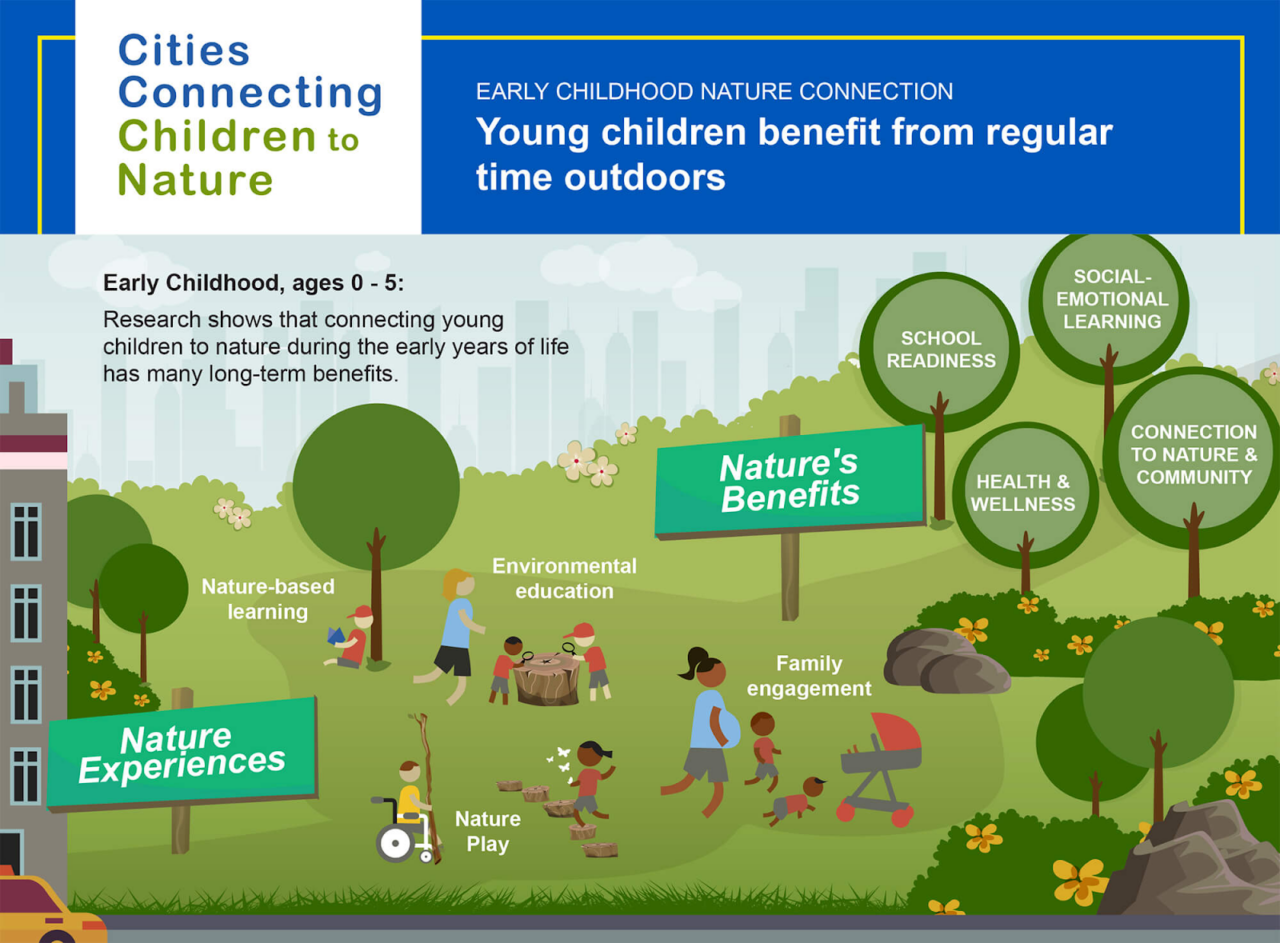
The early years of childhood are a time of discovery, curiosity, and rapid development. Children begin learning about language, relationships, emotions, numbers, and the world around them long before they enter primary school. The experiences they have during this period can influence how they approach new challenges, interact with others, and develop skills throughout their lives.
Understanding the benefits of early childhood education helps parents, caregivers, teachers, and policymakers recognize why high-quality early learning matters. Early childhood education provides children with opportunities to explore ideas, develop communication skills, build confidence, and develop the foundations needed for future academic and personal growth.
However, early learning is not simply about teaching children letters and numbers before they start school. It also involves play, social interaction, emotional development, creative exploration, and supportive relationships with adults. These experiences help children become curious learners who are increasingly able to solve problems, express their ideas, and adapt to new situations.
This article explores how early childhood education supports lifelong learning, which developmental skills children gain, and how families and educators can create learning environments that help young children thrive.
What Is Early Childhood Education?
Early childhood education refers to structured and informal learning experiences that support children’s development during their early years. Depending on the educational system, these experiences may include nursery programs, preschool, kindergarten, early learning centers, and learning activities at home.
Early childhood education typically focuses on children from birth to the beginning of formal primary education, although definitions and age ranges vary between countries and programs.
Unlike traditional classroom instruction for older students, early learning often uses play, conversation, movement, storytelling, music, exploration, and hands-on activities. These approaches allow children to develop skills through meaningful experiences rather than relying only on memorization or formal lessons.
High-quality early childhood education supports several connected areas of development:
- Cognitive development: Thinking, memory, reasoning, problem-solving, and curiosity.
- Language and literacy: Listening, speaking, vocabulary, storytelling, and early reading skills.
- Social development: Cooperation, sharing, communication, and understanding different perspectives.
- Emotional development: Recognizing feelings, managing frustration, and developing confidence.
- Physical development: Coordination, balance, movement, and fine motor skills.
- Creative development: Imagination, experimentation, music, art, and original thinking.
These areas work together. For example, a child building a tower with classmates may practice counting, spatial reasoning, communication, patience, and cooperation during the same activity.
Why Early Childhood Education Matters for Lifelong Learning
Lifelong learning is the ongoing process of gaining knowledge, developing abilities, and adapting to new experiences throughout life. It can take place in school, at home, at work, in communities, and through independent exploration.
The foundations of lifelong learning begin early, when children develop their attitudes toward discovery, mistakes, relationships, and challenges.
1. It Encourages Curiosity and a Love of Learning
Young children naturally explore their surroundings. They ask questions, investigate unfamiliar objects, repeat activities, and experiment with different solutions.
A supportive early learning environment encourages this curiosity instead of expecting children to memorize information without understanding it.
For example, a teacher might invite children to explore why some objects float while others sink. Children can make predictions, test different objects, describe their observations, and discuss what they discover.
This process introduces the foundations of scientific thinking. More importantly, it teaches children that asking questions and exploring possible answers are valuable parts of learning.
When children experience learning as an enjoyable process, they may be more willing to investigate unfamiliar topics as they grow older.
2. It Builds Strong Language and Communication Skills
Language helps children express their needs, understand instructions, build relationships, and organize their thoughts. Strong communication skills also support later reading comprehension, writing, and classroom participation.
Early childhood education provides regular opportunities for children to hear new words, participate in conversations, listen to stories, and explain their ideas.
Teachers can support language development through:
- Reading picture books aloud and discussing the characters.
- Encouraging children to describe their experiences.
- Introducing new vocabulary during play.
- Asking open-ended questions.
- Singing songs and reciting rhymes.
- Giving children time to express their ideas in their own words.
For example, after reading a story, an educator might ask, “Why do you think the character made that choice?” Children can practice reasoning, describe emotions, and learn that stories can be understood from different perspectives.
These communication experiences help prepare children for more complex learning throughout school and beyond.
3. It Develops Early Literacy and Numeracy
Reading, writing, and mathematics are important foundations for future learning. Early childhood education introduces these skills through activities that are appropriate for children’s developmental stages.
Early literacy can involve recognizing sounds, identifying letters, listening to stories, understanding that print carries meaning, and developing vocabulary.
Early numeracy may include counting objects, comparing quantities, recognizing patterns, sorting shapes, and understanding simple measurements.
Play-based activities make these ideas concrete.
For example, children arranging blocks by size can compare dimensions, identify patterns, and use mathematical language. During a pretend shop activity, they can count items, categorize objects, and practice simple exchanges.
The aim is not to rush children through an advanced academic curriculum. It is to help them develop understanding, confidence, and readiness for more formal learning.
4. It Strengthens Problem-Solving and Critical Thinking
Lifelong learners need to examine problems, consider different possibilities, and adjust their approaches when something does not work.
Early childhood education provides opportunities to develop these abilities through puzzles, building activities, pretend play, exploration, and group challenges.
Suppose children are building a bridge from blocks and discover that it collapses when a toy car crosses it. An educator can encourage them to investigate why the structure failed and experiment with different designs.
Children begin to understand that a problem may have several possible solutions. They also learn that trying again is a normal part of discovering what works.
These experiences introduce essential thinking habits that can later support mathematics, science, creative work, and everyday decision-making.
5. It Encourages Persistence and Self-Regulation
Learning often requires children to wait, concentrate, manage frustration, and continue working when a task becomes difficult.
Self-regulation develops gradually. Young children still need guidance from adults to manage emotions, follow routines, and respond to challenges.
Supportive educators help children practice these skills through predictable routines, calm explanations, encouragement, and age-appropriate responsibilities.
For example, when a child becomes frustrated while completing a puzzle, a teacher can acknowledge the feeling, offer a helpful question, and encourage the child to try another approach.
Rather than solving every problem for the child, the educator provides enough support for the child to continue participating.
Over time, repeated opportunities to practice persistence and emotional regulation can help children approach new learning challenges with greater confidence.
The Social and Emotional Benefits of Early Childhood Education
Academic readiness is only one part of early learning. Children also need social and emotional skills to participate in classrooms, build relationships, and respond to everyday challenges.
1. It Helps Children Build Positive Relationships
Early learning environments give children opportunities to interact with peers and trusted adults outside their immediate family.
Through group activities, children learn to take turns, share materials, listen to others, and work toward common goals.
These interactions can help children understand that other people have different ideas, preferences, and feelings.
Teachers can support relationship-building by organizing cooperative games, encouraging respectful communication, and helping children resolve disagreements calmly.
Positive relationships also give children opportunities to experience trust and belonging, which can support their willingness to participate in learning.
2. It Develops Emotional Awareness
Young children are still learning how to recognize and communicate their emotions. They may experience frustration, disappointment, excitement, or worry without yet having the language or strategies to manage those feelings independently.
Early childhood educators can help children identify emotions, understand common triggers, and practice appropriate responses.
Activities might include reading stories about feelings, using emotion cards, discussing characters’ reactions, and modeling ways to ask for help.
For instance, an educator might help a child say, “I feel upset because I wanted a turn.” This gives the child a constructive way to communicate rather than relying only on crying or grabbing.
Emotional awareness supports relationships and can help children remain engaged when learning becomes challenging.
3. It Encourages Cooperation and Teamwork
Many learning experiences involve working with others. Children may build structures together, complete puzzles in groups, perform short plays, or participate in shared art projects.
These activities teach children to exchange ideas, negotiate roles, listen to suggestions, and work toward a shared outcome.
Children may not always agree, and that is part of the learning process. With adult guidance, they can practice resolving disagreements and recognizing the value of different contributions.
Such experiences provide an early foundation for collaboration in later schooling, workplaces, and community life.
4. It Builds Confidence and Independence
A supportive early learning environment allows children to make choices, attempt tasks, and gradually take responsibility for simple activities.
Children might choose a book, organize materials, serve themselves during an appropriate routine, or decide how to approach an art project.
When adults provide encouragement without taking over every task, children can develop a sense of competence and agency.
Confidence does not mean that children never feel uncertain. It means they have opportunities to experience success, receive support when needed, and learn that mistakes do not prevent progress.
These experiences can help children become more willing to explore unfamiliar subjects and develop new abilities.
How Play-Based Learning Supports Long-Term Development
Play is a central part of many high-quality early childhood education approaches because it allows children to explore ideas in active, meaningful ways.
Play-based learning does not mean leaving children without guidance. Educators can create purposeful activities, introduce new concepts, ask thoughtful questions, and adapt materials to support children’s development while preserving opportunities for exploration.
Learning Through Pretend Play
Pretend play allows children to explore roles, relationships, and everyday situations.
A pretend restaurant, for example, can involve taking orders, counting objects, communicating with customers, and negotiating roles with classmates.
Children practice language, imagination, social interaction, and early mathematical thinking without needing a formal worksheet for every skill.
Learning Through Building and Construction
Blocks, puzzles, and construction materials encourage children to experiment with shapes, balance, size, and spatial relationships.
Children can test ideas, notice patterns, and revise their designs when structures do not work as expected.
Educators can extend the activity by asking questions such as, “What could make the tower stronger?” or “How could we build a longer bridge?”
These questions encourage children to explain their thinking and explore new possibilities.
Learning Through Outdoor Exploration
Outdoor learning gives children opportunities to observe nature, move their bodies, investigate materials, and ask questions about their environment.
A simple activity such as collecting leaves can introduce classification, observation, vocabulary, and discussion about similarities and differences.
Outdoor experiences can also encourage physical activity and help children develop an interest in the natural world.
Learning Through Art, Music, and Storytelling
Creative activities help children express ideas, recognize patterns, develop coordination, and explore different ways of communicating.
Drawing, painting, singing, dancing, and storytelling can support language development and imagination while providing opportunities to make independent choices.
The value of these activities extends beyond producing a finished picture or performance. The process of planning, experimenting, revising, and expressing ideas is itself an important learning experience.
How Early Childhood Education Prepares Children for School
Starting primary school involves new expectations, routines, relationships, and learning activities. Early childhood education can help children become familiar with many of these experiences.
Developing Classroom Routines
Children learn to follow simple instructions, transition between activities, organize materials, and participate in group discussions.
These routines can help them adjust to structured learning environments while continuing to develop independence.
Strengthening Listening and Attention
Storytelling, games, music, and guided activities provide opportunities to practice listening and focusing on a task.
Children’s attention spans develop gradually, so educators should use activities that are appropriate for their age and needs.
The goal is to strengthen engagement rather than expect young children to sit still for long periods.
Encouraging Learning Independence
Children can practice asking questions, seeking help, making choices, and attempting age-appropriate tasks on their own.
These habits can support a smoother transition to primary school, where students increasingly need to manage materials and participate in learning activities with less direct assistance.
Supporting Early Academic Confidence
Familiarity with books, numbers, patterns, classroom materials, and group activities can help children approach formal education with greater confidence.
However, school readiness should not be measured only by academic skills. Social development, communication, emotional well-being, physical development, and the ability to participate in learning are also important.
The Role of Parents and Caregivers in Lifelong Learning
Early childhood education does not take place only in preschool or nursery settings. Families and caregivers play an important role in creating the everyday experiences through which children learn.
Simple interactions at home can reinforce what children experience in educational settings.
Read and Talk Together
Reading aloud, discussing pictures, telling stories, and talking about everyday events expose children to language and new ideas.
Parents do not need expensive books or specialized teaching materials. Repeating favorite stories, describing familiar objects, and encouraging children to explain what they see can all create useful learning opportunities.
Encourage Questions and Exploration
Children often ask questions about ordinary experiences. Caregivers can encourage curiosity by responding thoughtfully, exploring answers together, and inviting children to make predictions.
If a child asks why a plant grows toward the light, an adult might discuss what plants need and help the child observe a plant over several days.
These conversations show children that learning is part of everyday life.
Allow Children to Try Tasks Independently
Age-appropriate responsibilities can help children develop confidence and problem-solving skills.
Examples include putting away toys, choosing clothes from suitable options, helping sort laundry, or assisting with simple food preparation under adult supervision.
Adults should provide support when necessary while allowing children enough time to attempt tasks themselves.
Create a Supportive Learning Environment
Children benefit from environments where they feel safe, valued, and encouraged to explore.
A supportive environment does not require expensive equipment. Books, household objects, drawing materials, conversation, outdoor experiences, and regular opportunities for play can provide meaningful learning experiences.
The most important factors include responsive interaction, encouragement, and opportunities to participate.
Work With Early Childhood Educators
Communication between families and educators helps adults understand children’s interests, strengths, and support needs.
Parents can share information about a child’s preferences, language experiences, or recent changes in behavior. Educators can suggest activities that reinforce learning at home.
A collaborative approach can help children experience greater consistency between their home and educational environments.
How to Choose a High-Quality Early Childhood Education Program
Access to early education is important, but quality matters. Not every program provides the same learning environment, adult-child interactions, or opportunities for development.
Parents and caregivers can consider several factors when choosing an early childhood education program.
Qualified and Responsive Educators
Look for educators who understand child development, respond patiently to children’s needs, and encourage exploration without unnecessary pressure.
Positive interactions are important because children learn through relationships as well as activities.
Safe and Welcoming Environments
Classrooms and play areas should be appropriately maintained, clean, accessible, and organized to support children’s ages and needs.
Children should have opportunities to explore while receiving suitable supervision and protection.
Age-Appropriate Learning Activities
A strong program balances play, movement, communication, creativity, exploration, and early academic concepts.
Be cautious of programs that emphasize worksheets and memorization at the expense of social interaction, active exploration, and children’s well-being.
Opportunities for Individual Support
Children develop at different rates and may have different interests, language backgrounds, or support needs.
Educators should observe children’s progress, adapt activities where appropriate, and work with families to identify useful support strategies.
Family Communication
A quality program should provide families with understandable information about children’s experiences, learning progress, and well-being.
Regular communication helps parents understand how the program supports development and how they can reinforce learning at home.
Consistent Routines and Positive Relationships
Predictable routines can help young children feel secure, while warm relationships can encourage them to explore and participate.
Parents can ask how the program supports children during transitions, handles disagreements, and responds when a child feels upset or overwhelmed.
How Early Childhood Education Can Support Equity and Opportunity
Children do not all begin their educational journeys with the same resources or experiences. Differences in access to books, safe play areas, health services, stable housing, and high-quality learning opportunities can influence early development.
Accessible, high-quality early childhood education can provide valuable learning experiences and additional support for children who face barriers outside the classroom.
Supporting Children With Different Learning Needs
Inclusive early learning environments recognize that children may develop skills at different rates and communicate or participate in different ways.
Educators can adapt activities, provide accessible materials, collaborate with families, and seek specialist guidance when needed.
The goal is to help each child participate meaningfully rather than expecting every learner to follow exactly the same path.
Supporting Children From Different Language Backgrounds
Children may arrive at an early learning program speaking a language different from the one used for instruction.
Educators can support language development through visual materials, songs, stories, gestures, repeated vocabulary, and respectful recognition of children’s home languages.
A child’s existing language skills are valuable resources that can support communication and learning.
Reducing Barriers to Participation
Cost, transportation, disability-related barriers, and limited availability may prevent some families from accessing early education.
Communities and policymakers can help by improving affordability, accessibility, family information, and the availability of quality programs.
Expanding access is most beneficial when programs also maintain strong standards for educator preparation, responsive interactions, safety, and learning quality.
Early childhood education cannot eliminate every social or economic barrier, but it can be an important part of a broader effort to give children a stronger start.
How Schools and Educators Can Encourage Lifelong Learning From an Early Age
Educators can make early learning more effective by focusing on children’s development, interests, and opportunities to explore.
Follow Children’s Interests
When children show curiosity about animals, vehicles, plants, or weather, educators can use that interest to introduce new vocabulary, books, experiments, art activities, and counting games.
Connecting activities with children’s questions can make learning more meaningful.
Ask Open-Ended Questions
Questions such as “What do you notice?”, “How could we solve this?”, and “What might happen next?” encourage children to explain their thinking.
Educators should allow time for responses and welcome different ideas rather than always providing the answer immediately.
Encourage Experimentation and Mistakes
Children need opportunities to test ideas and discover that unsuccessful attempts can provide useful information.
Teachers can model persistence by helping children identify what happened, consider alternatives, and try again.
Feedback should focus on effort, strategies, and progress rather than suggesting that a child must always get the correct answer on the first attempt.
Observe and Document Development
Educators can use observations, conversations, work samples, and play activities to understand children’s progress.
These observations help teachers identify emerging interests, recognize skills that need support, and plan suitable next steps.
Assessment in early childhood should be age-appropriate and focused on supporting development rather than placing unnecessary pressure on young learners.
Provide Opportunities for Choice
Giving children appropriate choices allows them to practice decision-making and develop a sense of ownership over learning.
For example, a teacher might allow children to choose whether to represent a story through drawing, building, or role-play.
Choice should be balanced with clear boundaries and support so that children can participate successfully.
Common Misconceptions About Early Childhood Education
Understanding what early childhood education can and cannot do helps families make informed decisions.
Misconception 1: Early Education Is Only About Learning Letters and Numbers
Early literacy and numeracy are important, but early childhood education also supports communication, social relationships, emotional development, physical skills, creativity, and curiosity.
A balanced program helps children develop across these connected areas.
Misconception 2: Children Need Formal Lessons to Learn Effectively
Young children can learn through purposeful play, conversations, movement, exploration, and everyday routines.
Direct instruction can be useful for introducing certain concepts, but it should be balanced with active participation and opportunities for discovery.
Misconception 3: Every Child Should Reach the Same Milestones at the Same Time
Children develop at different rates. A single activity or observation does not provide a complete picture of a child’s abilities.
Educators and families should consider patterns over time and seek professional guidance when they have concerns about development.
Misconception 4: Attending Preschool Guarantees Future Success
Early childhood education can create valuable opportunities, but it does not guarantee particular academic, social, or career outcomes.
Benefits depend on factors such as program quality, relationships, family support, children’s individual needs, and the learning opportunities available as they grow.
Misconception 5: Early Learning Must Be Expensive to Be Effective
Children can learn through conversation, shared reading, household activities, outdoor exploration, music, and simple play materials.
Specialized resources can be useful, but responsive adults and meaningful learning experiences are central to supporting development.
Frequently Asked Questions About the Benefits of Early Childhood Education
What are the main benefits of early childhood education?
The main benefits include stronger foundations for language and literacy, early mathematics, problem-solving, social interaction, emotional development, and school readiness. High-quality early learning can also encourage curiosity, confidence, persistence, and positive attitudes toward learning.
How does early childhood education support lifelong learning?
Early childhood education gives children opportunities to ask questions, explore ideas, solve problems, and develop relationships. These experiences help build the foundational skills and learning dispositions that can support continued education and personal development throughout life.
At what age should children begin early childhood education?
There is no single starting age that suits every family or child. Early learning begins from birth through responsive caregiving and everyday interactions. Formal programs vary by country and may serve infants, toddlers, preschoolers, or kindergarten-age children. Families should consider the child’s needs, program quality, and local guidance.
Is play-based learning effective for young children?
Play-based learning can support language, social interaction, creativity, early mathematics, and problem-solving when activities are appropriate for children’s development and supported by responsive adults. Effective play-based learning combines exploration with thoughtful guidance and meaningful opportunities to develop skills.
What role do parents play in early childhood learning?
Parents and caregivers support learning through conversation, shared reading, play, encouragement, predictable routines, and opportunities for children to explore. Working with educators can help families reinforce children’s interests and support areas where additional practice may be useful.
Does early childhood education improve academic performance?
High-quality early childhood education can strengthen foundational skills and support school readiness, which are associated with later educational progress. Outcomes vary depending on program quality, individual circumstances, and the learning support children receive as they grow.
How can parents identify a good early childhood education program?
Parents can look for qualified educators, safe and welcoming environments, age-appropriate activities, positive adult-child interactions, support for individual needs, and regular communication with families. They should also consider whether the program balances early academic skills with play, movement, social development, and emotional well-being.
Why is quality important in early childhood education?
Quality influences the kinds of experiences children receive. Programs with responsive educators, supportive relationships, appropriate activities, and suitable learning environments are better positioned to nurture children’s development than programs that focus only on enrollment or formal academic instruction.
Conclusion
The benefits of early childhood education extend beyond preparing children for their first year of primary school. High-quality early learning helps establish foundations for communication, problem-solving, emotional development, social relationships, creativity, and academic progress.
Through purposeful play, supportive relationships, meaningful conversations, and opportunities to explore, children begin to develop the confidence and curiosity that can support learning throughout their lives. Families and educators both contribute to this process by creating environments where children feel safe, valued, and encouraged to try new things.
Early childhood education is not a guarantee of future success, and every child develops in their own way. However, access to responsive, inclusive, and developmentally appropriate learning experiences can help children build the skills they need to participate in school and continue learning as they grow.
By investing in quality early learning and strengthening cooperation between families, educators, and communities, we can give children a stronger foundation for lifelong learning and well-being.
Leave a Reply