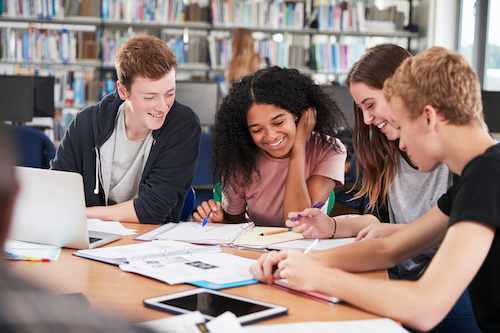
A school library can be one of the most valuable learning spaces in an educational community. Beyond providing books and study materials, it gives students opportunities to explore their interests, investigate questions, develop research skills, and discover the satisfaction of learning independently. When libraries offer engaging programs and accessible resources, students can become more confident learners who take greater responsibility for their education.
Independent learning is an essential skill that extends beyond the classroom. Students need to know how to find reliable information, evaluate different viewpoints, solve problems, organize their time, and reflect on what they have learned. A well-designed school library program can help students practice these skills through reading challenges, research workshops, creative projects, digital literacy sessions, and collaborative investigations.
Effective school library programs for students encourage curiosity rather than relying entirely on assigned tasks. They give learners opportunities to make choices, ask meaningful questions, and develop the confidence to pursue knowledge on their own.
This article explores practical school library programs that support independent learning, explains how educators can implement them, and provides strategies for evaluating their impact.
What Are School Library Programs?
School library programs are organized activities, learning experiences, and services that help students access information, develop literacy, and use library resources effectively. These programs can take place in physical libraries, digital learning environments, classrooms, or collaborative spaces throughout a school.
Traditional library activities often focus on borrowing books and completing assigned reading. Modern programs can extend much further by teaching students how to conduct research, assess online information, explore different subjects, create original work, and pursue personal interests.
Examples include:
- Independent reading and book discovery programs.
- Research and information literacy workshops.
- Digital literacy and responsible technology sessions.
- Student-led inquiry projects.
- Creative writing and storytelling clubs.
- Reading partnerships and book discussions.
- Makerspace activities and hands-on investigations.
- Media literacy and source evaluation exercises.
The most effective programs connect these activities with students’ educational goals while allowing room for personal choice. A student interested in wildlife might investigate animal habitats, while another who enjoys technology could learn basic coding through library resources.
By combining structured guidance with opportunities for exploration, school libraries can help learners develop skills they will use throughout their education.
Why School Libraries Are Important for Independent Learning
Independent learning does not mean that students must work without assistance. It means developing the ability to identify learning needs, make informed decisions, locate useful resources, and monitor personal progress.
School libraries support this process by providing materials, guidance, and learning environments where students can practice these abilities.
1. Encourage Curiosity and Self-Directed Reading
Students often develop stronger reading habits when they can explore subjects that genuinely interest them. A library with a diverse collection gives learners opportunities to discover new genres, authors, topics, and perspectives.
Independent reading also allows students to make decisions about what they want to learn. A student who chooses a book about space exploration, for example, may become interested in astronomy, physics, or the history of scientific discovery.
Librarians can support this process by recommending books based on students’ interests, introducing unfamiliar genres, and creating displays that make discovery easier.
2. Develop Research and Information Literacy Skills
Students encounter information through textbooks, websites, videos, social media, databases, and other digital resources. They need to understand how to locate relevant information and determine whether it is accurate and trustworthy.
Library programs can teach students how to formulate research questions, use effective search terms, compare sources, recognize bias, and record information responsibly.
These skills help learners complete assignments more independently and prepare them for further education, professional development, and everyday decision-making.
3. Build Confidence and Responsibility
When students choose a topic, plan an investigation, and complete a project, they gain experience managing their own learning.
Library programs can introduce manageable responsibilities, such as setting reading goals, maintaining research notes, tracking progress, and reflecting on challenges. Over time, students can learn to work more independently while understanding when to seek guidance.
4. Support Different Learning Interests and Needs
Not every student learns in the same way or enjoys the same subjects. Libraries can provide fiction, nonfiction, audiobooks, accessible digital materials, visual resources, and hands-on activities to accommodate varied interests and learning needs.
This flexibility allows students to explore subjects at an appropriate pace and find resources that help them understand difficult concepts.
5. Promote Lifelong Learning
Independent learning is useful long after students leave school. Adults regularly need to learn new technologies, investigate unfamiliar topics, develop professional skills, and evaluate information.
School library programs can introduce habits that support these activities, including curiosity, critical thinking, reflection, and the ability to find reliable resources.
10 School Library Programs That Encourage Independent Learning
Schools do not need expensive technology or large budgets to create meaningful library programs. Many successful activities can be adapted to the resources, ages, and interests of their students.
1. Independent Reading and Book Discovery Program
An independent reading program gives students regular opportunities to select books based on their interests and reading goals. Rather than requiring every learner to read the same title, the program encourages personal choice and exploration.
Librarians can organize themed book displays, student recommendations, genre exploration activities, and reading challenges. Students might choose books about history, animals, adventure, science, biography, or creative arts.
A simple reading journal can help students record what they read, identify favorite passages, and reflect on new ideas. However, the program should not become an excessive paperwork exercise that reduces the enjoyment of reading.
How to implement it:
- Set aside regular time for independent reading.
- Organize books by topic, genre, or student interest.
- Allow students to recommend books to classmates.
- Provide alternatives such as audiobooks or accessible formats.
- Encourage reflection without making every reading choice a graded assignment.
The goal is to help students develop a sustainable reading habit and learn how to select materials that meet their needs.
2. Student Research and Inquiry Workshops
Research workshops teach students how to investigate questions systematically. Instead of simply searching for an answer, learners develop a question, locate relevant resources, compare information, and explain what they discover.
For example, students might investigate how renewable energy works, why local ecosystems are changing, or how inventions have influenced everyday life.
Librarians can introduce research techniques in short sessions and then allow students to practice independently. Younger students may begin with guided questions and a small selection of age-appropriate sources, while older learners can work with more complex research tasks.
A useful inquiry process includes:
- Choosing a topic and developing a focused question.
- Identifying appropriate books, websites, and other resources.
- Recording useful information and its source.
- Comparing evidence and identifying unanswered questions.
- Presenting findings in a clear format.
- Reflecting on what was learned and what could be investigated next.
These workshops help students understand that research is a process of investigation rather than simply copying information from a website.
3. Digital Literacy and Online Research Program
Digital literacy is essential for students who use the internet to complete assignments, explore interests, and communicate with others. A library program can help learners use digital tools responsibly and independently.
Students can practice refining search queries, comparing search results, identifying reliable publishers, recognizing misleading claims, and understanding why some online information may be inaccurate or incomplete.
For instance, a student researching nutrition might encounter conflicting claims across websites. The librarian can demonstrate how to examine publication dates, identify the author, review supporting evidence, and compare claims with credible sources.
Digital literacy sessions should also address online privacy, copyright, plagiarism, respectful communication, and responsible use of artificial intelligence tools.
Suggested activities include:
- Comparing two websites that discuss the same topic.
- Identifying evidence that supports a claim.
- Practicing keyword selection and advanced searching.
- Recognizing advertisements and sponsored content.
- Creating a checklist for evaluating online sources.
These activities help students become more careful and confident users of digital information.
4. Creative Writing and Storytelling Club
Creative writing programs encourage students to develop ideas, experiment with language, and express their thoughts independently. A school library can provide a welcoming setting for students to write stories, poetry, scripts, comics, or personal reflections.
Students can choose their own topics or respond to optional writing prompts. They might create a mystery story, write an alternative ending to a familiar tale, develop a fictional character, or produce a short illustrated book.
Librarians can provide examples from different genres and introduce techniques such as character development, dialogue, descriptive language, and story structure.
Peer sharing can be offered as an option, but students should have opportunities to write privately if they prefer.
The program works best when creativity and improvement are emphasized over perfection. Students should be encouraged to revise their work, experiment with different styles, and learn from feedback.
5. Book Discussion and Student-Led Reading Groups
Reading groups allow students to discuss books, compare interpretations, and develop their ability to explain ideas. These conversations can strengthen comprehension while helping learners recognize that readers may respond differently to the same text.
Instead of relying on a teacher to lead every discussion, students can take turns selecting questions, summarizing chapters, identifying themes, and connecting the story to real-world issues.
For example, a group reading a novel about friendship might discuss how the characters respond to conflict and what their decisions reveal about trust.
Librarians can provide simple discussion prompts, but students should gradually take more responsibility for guiding conversations.
A successful reading group welcomes different opinions, avoids turning every discussion into a quiz, and gives students time to think before responding.
6. Makerspace and Hands-On Learning Activities
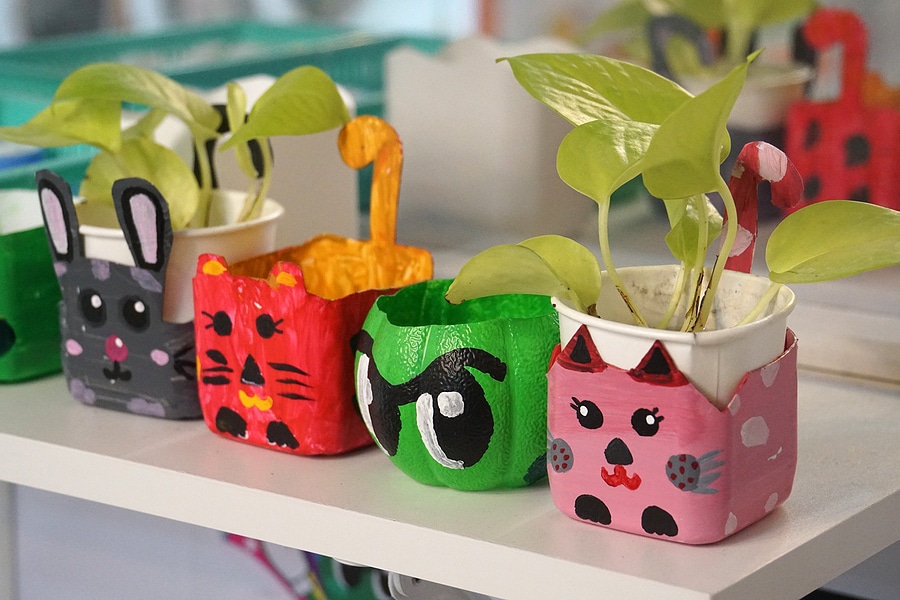
A library makerspace provides opportunities for students to create, test, and improve their own projects. Depending on available resources, activities may include building simple models, designing paper structures, creating crafts, experimenting with circuits, or developing basic coding projects.
These experiences encourage students to plan, solve problems, and learn from mistakes. They also show that research and creativity can work together.
For example, students investigating bridges could read about engineering principles, sketch possible designs, construct models using available materials, and test which structures support the greatest weight.
Schools without specialized equipment can still create effective makerspace activities using cardboard, paper, recycled materials, measuring tools, and everyday classroom supplies.
The librarian’s role is to provide suitable resources, establish safety guidelines, and help students reflect on their decisions without solving every problem for them.
7. Research Skills and Source Evaluation Program
A dedicated source evaluation program helps students understand the difference between information that is relevant, credible, current, and supported by evidence.
Students can learn to ask questions such as:
- Who created this information?
- What evidence supports the main claims?
- When was the material published or updated?
- Does the author have relevant expertise?
- Is the purpose to inform, persuade, entertain, or sell something?
- Can important claims be confirmed through other reliable sources?
A practical activity is to give students several sources about the same issue and ask them to compare their strengths and limitations.
Students should also learn that no single checklist guarantees accuracy. A professional-looking website may still contain errors, and a source with a particular viewpoint may provide useful evidence if its claims can be verified.
These lessons strengthen critical thinking and help learners become more independent researchers.
8. Personal Learning Goal and Progress Program
Independent learners benefit from setting clear goals and reviewing their progress. A library-based goal program can help students choose an area for improvement and create a manageable plan.
Goals might include reading books from three different genres, learning how to use a research database, improving note-taking, or completing a project on a topic of personal interest.
Students can use a simple learning planner to identify the goal, list the required resources, establish milestones, and reflect on their progress.
For example, a student who wants to learn about astronomy could plan to read an introductory book, compare information from two reliable educational resources, and create a short guide to the solar system.
Librarians can conduct brief check-ins and help students adjust goals when necessary. The purpose is to develop self-management, not to create unnecessary pressure or competition.
9. Media Literacy and Critical Thinking Program
Students regularly encounter news reports, videos, advertisements, online discussions, and digital content designed to attract attention. A media literacy program helps them analyze these messages carefully.
Students can explore how headlines influence interpretation, how images can shape emotions, and how opinions differ from verifiable facts. They can also learn to recognize manipulated media, misleading statistics, and unsupported claims.
A useful exercise involves comparing how different sources report the same event. Students can identify similarities, differences, missing context, and evidence that supports each account.
Librarians should encourage students to pause before sharing information and verify important claims through reliable sources.
These skills are especially valuable when students conduct research independently and need to distinguish useful evidence from misleading content.
10. Peer Learning and Student Knowledge-Sharing Program
Students often have skills and interests they can share with others. A library knowledge-sharing program gives them opportunities to teach a concept, demonstrate a technique, or present the results of an independent project.
A student who enjoys coding might demonstrate a simple program, while another could share strategies for learning vocabulary or explain how to organize research notes.
Short presentations, informal workshops, student-created guides, and project exhibitions can all support this approach.
Peer learning should be structured so that students remain responsible for their own understanding. Sharing knowledge with classmates can deepen the presenter’s learning, while questions from the audience may reveal areas that need further investigation.
The librarian can help students prepare, locate supporting resources, and present information clearly without taking over their projects.
How School Librarians Can Support Independent Learners
Library programs become more effective when students have access to guidance that helps them make informed choices without removing their independence.
Provide Guidance Without Doing the Work for Students
Students may need assistance choosing search terms, narrowing a topic, or finding suitable resources. Librarians can demonstrate a process, ask guiding questions, and allow students to complete the next steps themselves.
For example, rather than immediately giving a student the answer to a research question, the librarian might ask which keywords could help locate relevant evidence.
This approach helps learners develop problem-solving skills they can use in future assignments.
Organize Resources So Students Can Find Them
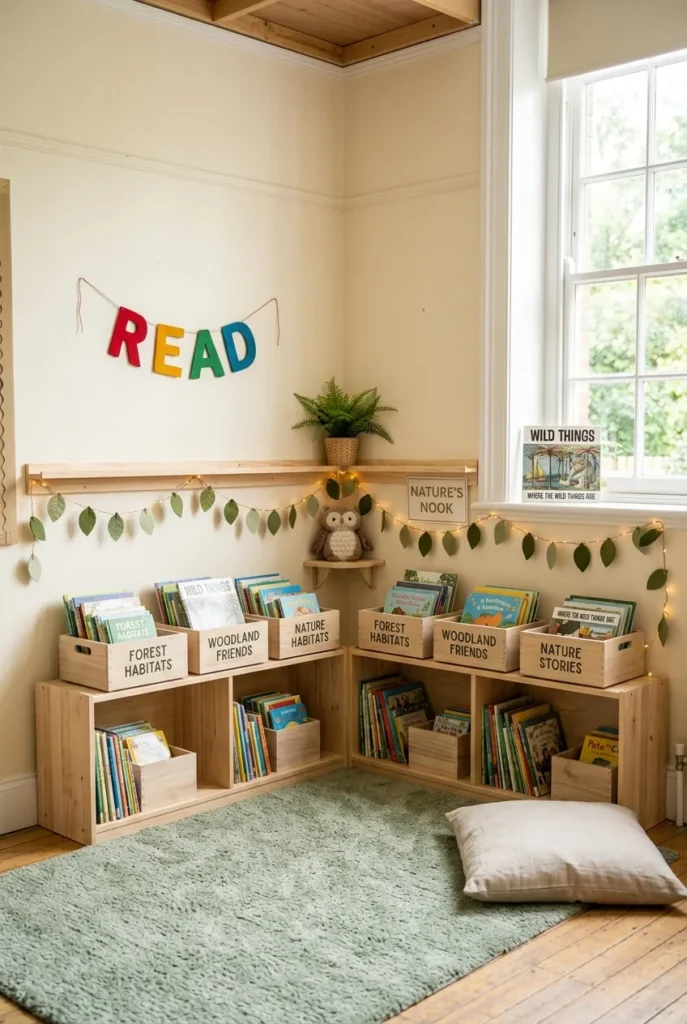
Clear signage, accessible catalog systems, topic-based displays, and well-organized digital resources make independent exploration easier.
Younger students may benefit from visual labels and simple categories, while older learners may need guidance on subject classifications, databases, and specialized reference materials.
A short orientation session can teach students how to locate books, borrow resources, use digital collections, and ask for assistance when needed.
Collaborate With Classroom Teachers
School librarians can coordinate with teachers to connect library programs with curriculum goals. This helps students practice research, reading, and information literacy in authentic learning situations.
For example, a science teacher and librarian could jointly design an inquiry project in which students investigate a scientific question, evaluate sources, and present evidence-based conclusions.
Collaboration also reduces unnecessary duplication and helps students apply library skills across different subjects.
Create an Environment That Welcomes Different Learners
Library resources should reflect students’ varied interests, reading abilities, languages, and accessibility needs.
Providing a range of reading levels, formats, subjects, and perspectives helps more students find materials that are useful and engaging. Clear expectations and flexible seating arrangements can also make the library more comfortable for independent work.
Students should know that asking for help is a normal part of learning. Independence develops through supported practice, not through leaving learners to struggle without assistance.
How Technology Can Enhance School Library Programs
Technology can expand access to information and give students additional ways to explore topics independently. However, digital tools are most useful when they support clear learning objectives.
Digital Libraries and E-Books
E-books and digital collections can help students access reading materials when physical copies are limited. Depending on the school’s resources and licensing arrangements, students may be able to search within texts, adjust display settings, use text-to-speech features, or access materials outside the library.
Schools should consider device availability, internet access, privacy, and accessibility when choosing digital resources.
Educational Databases and Online Reference Tools
Age-appropriate databases can help students locate organized, subject-specific information. Librarians can demonstrate how to use filters, identify relevant results, and record publication details.
Students should still evaluate information carefully rather than assuming every database entry or search result is automatically suitable for their particular question.
Digital Portfolios
A digital portfolio allows students to collect selected projects, research notes, reading reflections, and examples of their progress over time.
Students can review earlier work, identify improvements, and set future goals. Teachers and librarians may use portfolios to support reflection and provide feedback.
Schools should establish appropriate privacy and access controls, particularly when student work includes personal information or identifiable images.
Responsible Use of Artificial Intelligence
When school policies permit it, AI tools can help students brainstorm research questions, explore unfamiliar concepts, or identify areas that require further investigation.
However, students should learn that AI-generated responses can contain errors, unsupported claims, or fabricated references. They should verify important information against reliable sources, follow school rules, and clearly distinguish their own work from assistance provided by digital tools.
AI should support critical thinking rather than replace the process of reading, evaluating evidence, and forming independent conclusions.
Making School Library Programs Accessible to Every Student
An effective program should not serve only students who already enjoy reading or feel confident with technology. Schools should identify barriers that prevent learners from participating and adjust their programs accordingly.
Offer Different Ways to Participate
Some students prefer quiet reading, while others enjoy group discussions, creative projects, or hands-on investigations. Offering several types of activities helps students discover a suitable starting point.
Provide Accessible Materials
Large-print books, audiobooks, accessible digital formats, clear layouts, and appropriate assistive technology can help students with different needs use library resources more effectively.
Consider Budget and Resource Limitations
Schools can create useful programs with donated books, shared materials, recycled craft supplies, community partnerships, and free educational resources. Expensive technology is not a requirement for meaningful independent learning.
Support Students Who Need Additional Guidance
Some learners may need help organizing tasks, choosing manageable goals, or navigating unfamiliar resources. Librarians can provide structured worksheets, short demonstrations, and step-by-step instructions before gradually reducing support.
The objective is to help every student develop greater independence over time.
How to Measure the Success of School Library Programs
Schools should evaluate library programs to understand whether students are developing the skills and habits the activities are intended to support. Counting library visits or books borrowed can provide useful information, but these measures do not reveal everything about student learning.
A balanced evaluation considers participation, skill development, student feedback, and the quality of completed work.
Track Participation and Resource Use
Record attendance at workshops, participation in reading groups, use of digital resources, and engagement with different activities. These measures can help identify which programs attract students and which may need adjustment.
Low participation should prompt investigation rather than an immediate conclusion that students are uninterested. Scheduling, accessibility, communication, and competing responsibilities may affect attendance.
Assess Research and Information Skills
Use short practical tasks to evaluate whether students can develop research questions, locate relevant sources, compare evidence, and organize findings.
A student might complete a small inquiry project at the beginning of a term and another later in the year. Comparing the work can help educators identify progress and areas requiring further instruction.
Gather Student Feedback
Ask students which programs they find useful, what they would like to learn, and which barriers make library activities difficult to access.
Feedback can be collected through short surveys, suggestion boards, informal conversations, or student representatives.
Students should be able to offer honest opinions without feeling pressured to praise a particular program.
Review Independent Learning Habits
Teachers and librarians can look for signs that students are becoming more capable of managing their own learning. These may include selecting appropriate resources, planning tasks, checking information, completing projects, and reflecting on mistakes.
The aim is not to expect every student to become fully independent immediately. Instead, schools should monitor growth and provide additional support where needed.
A Simple Plan for Starting a School Library Program
Schools that want to introduce new library activities can begin with a focused plan that uses existing resources and builds gradually.
Step 1: Identify student needs. Ask students and teachers which skills need the most support, such as reading engagement, research, digital literacy, or independent study.
Step 2: Choose one priority. Start with a manageable program, such as a weekly independent reading session or a short research skills workshop.
Step 3: Prepare resources. Select suitable books, digital materials, activity guides, and assessment methods. Ensure the program is accessible to the students who will participate.
Step 4: Introduce the program. Explain the purpose, give students clear instructions, and provide opportunities to practice essential skills.
Step 5: Gather feedback. Ask students what they learned, what they found difficult, and which parts of the program they would change.
Step 6: Improve and expand. Use the feedback and evidence of student progress to refine the program before adding further activities.
Starting small allows schools to test ideas, understand student needs, and build sustainable programs without overwhelming library staff or learners.
Conclusion
School libraries can play an important role in helping students become confident, curious, and independent learners. Through reading programs, research workshops, digital literacy activities, creative projects, and student-led investigations, libraries provide opportunities for learners to explore interests and take greater responsibility for their education.
Effective school library programs for students combine accessible resources with practical guidance and meaningful choice. Librarians help students learn how to find information, evaluate evidence, manage projects, and reflect on their progress. Teachers strengthen these efforts by connecting library activities with classroom learning.
Schools can begin with simple initiatives, gather student feedback, and expand programs according to available resources and demonstrated needs. By making library learning engaging, inclusive, and purposeful, educators can help students develop habits that support academic success and lifelong learning.
Frequently Asked Questions
What are school library programs for students?
School library programs are organized activities that help students develop reading habits, research skills, digital literacy, creativity, and independent learning abilities. Examples include reading challenges, research workshops, book clubs, makerspace activities, and information literacy lessons.
How do school libraries encourage independent learning?
School libraries encourage independent learning by giving students access to varied resources and opportunities to explore their interests. Programs teach students how to find information, evaluate sources, set goals, manage projects, and reflect on what they learn.
What is the best school library program for younger students?
Younger students often benefit from engaging reading activities, storytelling sessions, picture-book exploration, simple research tasks, and hands-on creative projects. The most appropriate program depends on students’ ages, interests, reading abilities, and learning goals.
How can school libraries improve students’ research skills?
Libraries can offer workshops on developing research questions, selecting keywords, locating reliable sources, comparing evidence, recording references, and presenting findings. Guided practice followed by independent investigation helps students apply these skills to different subjects.
How can schools run library programs with a limited budget?
Schools can organize reading groups, student book recommendations, writing clubs, research challenges, and recycled-material projects using existing resources. Partnerships with teachers, families, community organizations, and public libraries can provide additional support.
How can technology support independent learning in school libraries?
Digital books, educational databases, online reference tools, and digital portfolios can help students access information and organize their work. Students should also learn digital privacy, source evaluation, copyright awareness, and responsible technology use.
How can teachers and librarians work together?
Teachers and librarians can plan research projects, reading activities, information literacy lessons, and subject-specific investigations together. Collaboration helps students apply library skills to classroom assignments and develop stronger independent learning habits.
How can schools evaluate school library programs?
Schools can review participation, student feedback, research skills, reading engagement, project quality, and students’ ability to manage their learning. Combining several measures provides a more complete picture than counting visits or books borrowed alone.
Leave a Reply