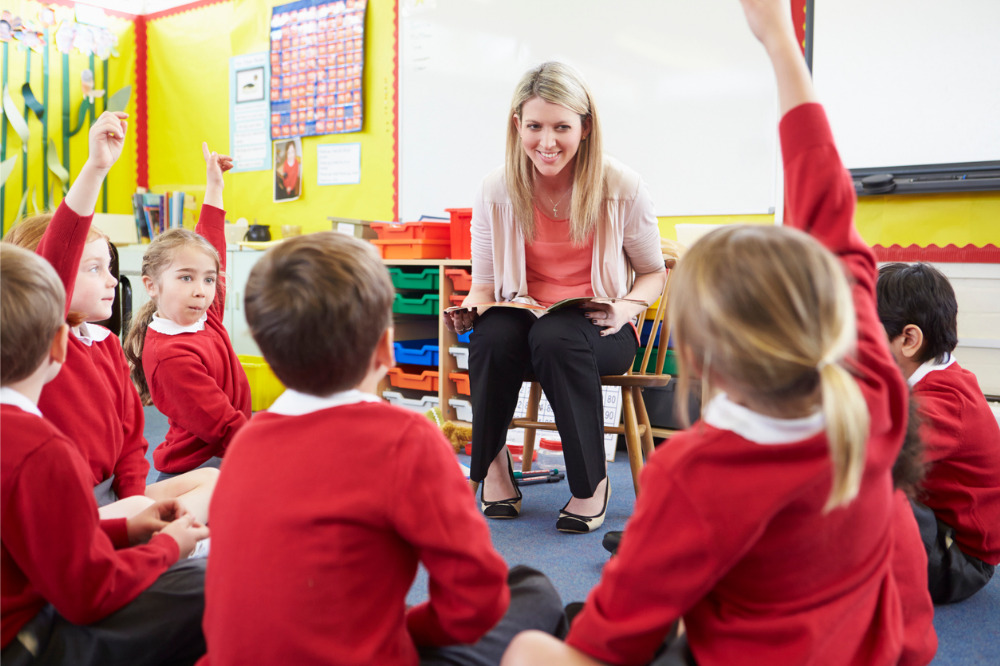
A successful school is not defined only by academic results, test scores, or graduation rates. It is also defined by whether students feel welcomed, respected, and supported in their everyday experiences. When children believe they have a place in their school community, they can feel more comfortable asking questions, developing friendships, sharing ideas, and taking part in learning.
Building this kind of environment requires intentional effort. Students need relationships they can trust, classrooms where differences are respected, and opportunities to contribute to decisions that affect their school lives. These experiences help transform a school from a place students simply attend into a community where they feel valued.
Creating a sense of belonging in schools should therefore be an ongoing priority for teachers, administrators, counselors, and families. Rather than relying on occasional celebrations or one-time activities, schools can develop belonging through everyday interactions, inclusive policies, supportive teaching practices, and meaningful student participation.
What Is a Sense of Belonging in Schools?
A sense of belonging is the feeling that a student is accepted, respected, included, and valued as a member of the school community. It develops when students believe that teachers care about their progress, classmates treat them fairly, and school activities provide genuine opportunities to participate.
Belonging is not the same as simply being present. A student may attend every class but still feel ignored, excluded from peer groups, or uncomfortable asking for help. A school with a strong culture of belonging pays attention to these experiences and works to ensure that every student has opportunities to build positive relationships.
Several elements contribute to school belonging:
- Trusting relationships: Students have adults and peers they can approach for support.
- Emotional safety: Learners can ask questions, make mistakes, and express opinions without fear of humiliation.
- Fair participation: Students have meaningful access to classroom discussions, extracurricular activities, and leadership opportunities.
- Individual recognition: Personal strengths, interests, and learning needs are acknowledged.
- Respect for differences: Students are treated with dignity regardless of their backgrounds, abilities, or circumstances.
- Shared responsibility: Everyone contributes to maintaining a welcoming and respectful school community.
These elements work together. A school may have friendly teachers, for example, but students may still struggle to feel included if bullying goes unaddressed or activities are inaccessible.
Why Belonging Is Important for Student Success
Students’ relationships and experiences at school can influence their willingness to participate, their confidence in learning, and their overall well-being. A supportive environment cannot eliminate every educational challenge, but it can help create conditions in which students are better positioned to succeed.
1. Encourages Active Learning
Students who feel comfortable in the classroom may be more willing to ask questions, explain their thinking, and attempt difficult assignments. They can focus on understanding concepts instead of worrying excessively about being embarrassed by a mistake.
Teachers can encourage this behavior by treating questions as valuable contributions and giving constructive feedback. When learners understand that mistakes are part of the learning process, they have more opportunities to develop persistence and independent thinking.
2. Supports Social and Emotional Well-Being
Feeling accepted can help students navigate the social and academic pressures of school. Positive relationships with trusted adults provide opportunities to discuss concerns and seek assistance when challenges arise.
Schools can strengthen this support by creating predictable routines, offering access to counselors, and teaching students constructive ways to manage disagreements. Belonging initiatives should complement, rather than replace, appropriate professional support when students experience significant emotional difficulties.
3. Helps Students Build Positive Friendships
School is an important setting for developing communication, cooperation, empathy, and conflict-resolution skills. When students have opportunities to work together in respectful environments, they can learn to appreciate different perspectives and build meaningful connections.
Structured group assignments, peer mentoring, shared projects, and supervised extracurricular activities can help students interact beyond their usual friendship groups.
4. Strengthens Engagement With School Life
Students who feel connected to their school may be more interested in classroom activities, school events, and collaborative projects. A sense of connection can also be relevant to attendance, although absence can result from many other factors, including health, transportation, family responsibilities, and access barriers.
Schools should use concerns about disengagement as an opportunity to listen and understand individual circumstances rather than making assumptions about a student’s motivation.
5. Creates Opportunities for More Equitable Participation
Students do not all experience school in the same way. Language barriers, disability-related needs, financial pressures, cultural misunderstandings, and social exclusion can affect whether learners feel included.
A strong school culture identifies these barriers and works to remove them. This allows students with different abilities and backgrounds to participate meaningfully instead of expecting everyone to navigate the same challenges without support.
10 Strategies for Creating a Sense of Belonging in Schools
Developing belonging does not always require a large budget or a new school-wide program. Consistent, practical changes to relationships, routines, and opportunities can help students experience a stronger connection to their school.
1. Make Every Student Feel Recognized
Students want to know that teachers see them as individuals rather than simply names on a class list. Small, authentic interactions can help build this connection.
Teachers can greet students by name, learn about their interests, recognize their progress, and check in when a student appears unusually withdrawn. These interactions show that students matter beyond their academic performance.
Recognition should be genuine and varied. Schools can celebrate persistence, creativity, kindness, teamwork, improvement, and leadership alongside strong grades and competition results.
For example, a teacher might acknowledge a student who helped a classmate understand a difficult concept or who continued improving a project after receiving feedback. This communicates that meaningful contributions take many forms.
2. Establish Clear Expectations for Respect
Students are more likely to feel secure when they understand how people are expected to treat one another. Schools should establish clear expectations for respectful language, classroom discussions, online behavior, and conflict resolution.
Teachers can involve students in developing classroom agreements. Ask learners what respectful disagreement looks like, how group members should share responsibilities, and what they can do when someone feels excluded.
Expectations must be reinforced consistently. If hurtful behavior is ignored in one situation but addressed in another without a clear reason, students may lose confidence in the fairness of school rules.
A respectful environment also requires adults to model the behavior they expect. Listening carefully, acknowledging mistakes, and responding calmly to disagreement demonstrate that respect is a daily practice.
3. Design Inclusive Classroom Experiences
A classroom should provide multiple ways for students to participate and demonstrate what they know. Some learners feel confident speaking in front of a group, while others communicate more effectively through writing, small-group discussions, visual presentations, or hands-on tasks.
Teachers can offer varied activities, clear instructions, appropriate accommodations, and flexible ways to share ideas. They should also consider whether classroom materials represent different perspectives and whether examples connect with students’ experiences.
Inclusive teaching does not mean removing academic challenges. It means providing appropriate support so students can engage with meaningful learning goals.
When students see that their needs are considered and their contributions are welcomed, they have more opportunities to feel like legitimate members of the classroom community.
4. Give Students Meaningful Opportunities to Influence Decisions
Students are more likely to feel invested in school life when their ideas are taken seriously. Schools can create opportunities for students to contribute through councils, class meetings, suggestion systems, feedback surveys, and student-led projects.
For example, students might recommend new library activities, propose improvements to shared spaces, or suggest ways to make group work more inclusive.
The important step is to respond to the feedback. School leaders should explain which ideas can be implemented, which need further discussion, and which are not possible under current constraints.
When students see their suggestions leading to visible improvements, they learn that their voices have value. Asking for opinions without responding can have the opposite effect.
5. Build Supportive Peer Relationships
Friendships can significantly influence how students experience school. Educators can help students connect by designing collaborative activities that encourage cooperation rather than competition alone.
Peer mentoring programs can pair older students with younger learners, while classroom partners can help new students understand routines and meet classmates. Cooperative projects can also allow students to discover shared interests.
Teachers should monitor group activities to ensure that responsibilities are distributed fairly and no student is repeatedly excluded. Giving each group member a defined role can make participation more balanced.
At the same time, schools should respect different social preferences. Not every student wants to join a large group, and quiet participation should not automatically be interpreted as a problem.
6. Respond Promptly to Bullying and Exclusion
Belonging cannot develop fully when students fear ridicule, harassment, intimidation, or discrimination. Schools need clear procedures for reporting concerns and responding to harmful behavior.
Teachers and staff should take reports seriously, document incidents according to school policy, and follow up with affected students. Students should understand how to seek help and know that adults will respond appropriately.
Restorative conversations may be useful in suitable situations, but they should not replace protective measures when a student is at risk. The safety and needs of the affected student must remain central to the response.
Schools can also review patterns of exclusion. If problems repeatedly occur during lunch, on the playground, in group assignments, or through online interactions, targeted supervision and practical changes may be necessary.
7. Expand Access to Clubs and Extracurricular Activities
School clubs, sports, music, drama, science projects, and volunteering can give students additional ways to connect with peers. These activities help learners discover interests, develop skills, and contribute to a shared goal.
However, opportunities are not equally accessible to every student. Participation may be limited by fees, transportation, schedules, disability-related barriers, or a lack of suitable activities.
Schools can address these challenges by offering low-cost options, flexible schedules, accessible facilities, and a wider range of activities. Students who are not interested in traditional sports should still have opportunities to find a community.
A varied extracurricular program allows students to develop connections through creativity, academic interests, service, leadership, and practical skills.
8. Respect Cultural, Linguistic, and Individual Differences
Students should not have to hide meaningful aspects of their backgrounds to feel accepted at school. Educators can support inclusion by using diverse reading materials, recognizing different perspectives in lessons, and ensuring that school communication is accessible to families.
Schools might display welcome messages in commonly spoken languages, organize voluntary cultural-sharing activities, or explore the contributions of people from different communities across academic subjects.
These activities should avoid stereotypes. No student should be expected to speak for an entire culture or explain personal experiences simply because of their background.
Respect also includes recognizing different learning needs, family circumstances, interests, and communication styles. When differences are treated as a normal part of the community, students have more opportunities to feel accepted.
9. Strengthen Relationships With Families
Families often have valuable information about students’ interests, strengths, concerns, and learning needs. Building trusting relationships with parents and caregivers can help schools respond more effectively to individual challenges.
Teachers can provide regular updates, offer accessible meeting times, and communicate through channels that suit different families. Schools should consider language access, work schedules, disability accommodations, and previous experiences that may influence family participation.
Family involvement should extend beyond attending events or fundraising. Parents and caregivers can share ideas, provide feedback on school practices, and collaborate with educators to identify barriers to participation.
A respectful partnership recognizes that families bring important knowledge about their children and deserve to be treated as collaborators.
10. Help New Students Feel Welcome
Starting at a new school or moving to a different grade can create uncertainty. Students may need time to learn routines, understand expectations, and build relationships.
Schools can make transitions easier through welcome sessions, guided tours, peer buddies, clear orientation materials, and regular check-ins during the first few weeks.
Teachers can explain practical details such as how to access learning resources, where to find support, and how extracurricular activities work. These small steps reduce uncertainty and help students become familiar with their environment.
Support should continue after the first day. Some students adjust quickly, while others need more time and encouragement before they feel connected.
The Role of School Leaders in Building Belonging
A welcoming classroom culture is important, but lasting improvement requires school-wide consistency. School leaders influence the policies, resources, staff development, and expectations that shape students’ everyday experiences.
Create a Shared School Vision
Leaders should work with staff, students, and families to define what belonging looks like in their school. A shared vision might emphasize respectful relationships, accessible opportunities, student participation, and fair responses to harm.
This vision should guide practical decisions rather than remain a statement on a website or poster.
Support Teachers and School Staff
Teachers need time, training, and collaboration to respond effectively to diverse student needs. Professional learning can focus on relationship-building, inclusive teaching, classroom discussions, conflict resolution, and recognizing patterns of exclusion.
School leaders should also pay attention to staff well-being. A respectful workplace and supportive leadership help staff model the positive relationships they are expected to build with students.
Make Policies Consistent With School Values
School policies influence whether students feel treated fairly. Leaders should review attendance procedures, behavior policies, discipline practices, accessibility arrangements, and extracurricular requirements to identify unintended barriers.
High expectations and belonging can work together. Students can be challenged academically while receiving the support and guidance necessary to meet those expectations.
Build Belonging Into Everyday Routines
Rather than relying on a single awareness day, schools can embed belonging into classroom routines, staff meetings, orientation procedures, family communication, and student leadership opportunities.
Consistency helps students experience inclusion across different subjects, year groups, and school settings.
How Teachers Can Build Belonging During Lessons
Teachers influence school culture through the way they organize learning, respond to questions, and interact with students. Several simple practices can help make lessons more welcoming.
Use low-pressure participation methods. Give students time to think before answering, discuss ideas with a partner, or submit written responses before sharing with the class.
Connect learning to students’ interests. Where appropriate, use examples, reading materials, and projects that reflect varied experiences and real-world questions.
Treat mistakes as opportunities to learn. Explain why an incorrect answer can be useful and help students identify the next step rather than embarrassing them.
Use fair group-work structures. Assign rotating roles, clarify responsibilities, and check that each student has a meaningful contribution.
Offer constructive feedback. Explain what students are doing well, identify specific areas for improvement, and provide practical next steps.
Notice who is being left out. Observe whether certain students rarely speak, are consistently chosen last, or struggle to access activities. Follow up respectfully rather than making assumptions.
These strategies can be integrated into regular teaching without requiring a separate belonging lesson every day.
How Schools Can Measure Belonging
Schools need ways to understand whether their practices are improving students’ experiences. Academic results, attendance, and behavior records provide useful context, but they cannot fully explain whether students feel accepted and valued.
A more complete evaluation combines several sources of information.
Student Surveys and Conversations
Schools can use age-appropriate surveys to ask whether students feel safe, respected, supported, and included. Questions might explore whether learners have a trusted adult, feel comfortable asking for help, or believe their opinions are considered.
Small-group discussions and individual conversations can provide additional context. Feedback should be collected in ways that protect privacy and allow students to raise concerns safely.
Participation and Attendance Patterns
Leaders can review participation in clubs, classroom discussions, student leadership, and school events. Attendance patterns may also highlight areas that require further investigation.
These measures should be interpreted carefully. A student who misses school or avoids an activity may face practical, health-related, or family barriers rather than a lack of connection.
Family and Staff Feedback
Parents, caregivers, teachers, and support staff can identify experiences that students may not report directly. Regular feedback can reveal whether communication is accessible, behavior policies are applied consistently, and students can obtain help when needed.
Comparing different perspectives helps schools identify gaps between their intentions and actual experiences.
Follow Through With Action
Feedback should lead to visible improvements. If students report difficulty making friends, a school might strengthen peer mentoring. If they feel excluded during group work, teachers could introduce clearer roles and monitor participation.
Leaders should communicate what they have learned, which changes they plan to make, and how progress will be reviewed. This demonstrates that student feedback is taken seriously.
Common Mistakes Schools Should Avoid
Even well-designed initiatives can fall short when schools overlook students’ everyday experiences.
- Treating belonging as a one-time event: Assemblies and themed days can raise awareness, but long-term progress depends on consistent daily practices.
- Assuming every student feels included: Positive overall survey results may hide difficulties experienced by particular groups or individuals.
- Focusing only on academic success: Grades do not fully reflect relationships, safety, participation, or emotional well-being.
- Ignoring reports of exclusion: Delayed or inconsistent responses can weaken students’ trust in adults and school policies.
- Expecting students to solve systemic problems alone: Student voice matters, but adults remain responsible for providing safe environments and addressing unfair practices.
- Offering activities that some students cannot access: Fees, transportation, scheduling, and accessibility barriers should be considered when planning opportunities.
Schools can avoid these mistakes by listening carefully, reviewing their practices, and treating belonging as a shared responsibility.
A Practical 30-Day Plan to Strengthen School Belonging
Schools that want to begin improving belonging can start with a focused plan rather than attempting to change every practice at once.
Week 1: Listen to Students
Gather brief student feedback about classroom relationships, safety, participation, and access to school activities. Invite staff and families to share observations as well.
Week 2: Identify One or Two Priorities
Review the feedback and select specific issues that the school can realistically address. Examples include helping new students connect with peers, improving group-work participation, or making reporting procedures clearer.
Week 3: Introduce Practical Changes
Implement a small number of targeted actions. These might include classroom check-ins, peer mentoring, clearer behavior expectations, or new opportunities for students to contribute ideas.
Week 4: Review and Adjust
Ask students and staff whether the changes are helping. Identify any barriers that remain, communicate progress, and establish the next steps.
Thirty days is enough to begin testing improvements, but not to guarantee a lasting culture change. Schools should continue monitoring experiences and refining their approach throughout the academic year.
Conclusion
A strong school community is one where students feel that they are more than attendees in a classroom. They are recognized individuals whose contributions matter, whose differences are respected, and whose needs are taken seriously.
Creating a sense of belonging in schools begins with positive relationships and extends to inclusive teaching, fair policies, student voice, family partnerships, and accessible opportunities. Each of these elements helps shape how students experience school every day.
Teachers can make a difference through respectful interactions and supportive lessons, while school leaders can establish the systems that make inclusion consistent across the entire community. By listening to students, responding to concerns, and reviewing progress, schools can build environments where learners feel welcome and have meaningful opportunities to participate.
Belonging is not created by a slogan or a single initiative. It grows through repeated actions that show every student: you are valued here, your voice matters, and you have a place in this community.
Frequently Asked Questions
What is the meaning of belonging in schools?
Belonging in schools means that students feel accepted, respected, included, and supported by teachers, classmates, and the wider school community. It involves positive relationships, emotional safety, and meaningful opportunities to participate.
Why is a sense of belonging important in education?
A sense of belonging is associated with student engagement, well-being, and positive educational experiences. Students who feel supported may be more comfortable participating in lessons, asking for assistance, and building relationships with others.
How can schools create a stronger sense of belonging?
Schools can build belonging by developing positive teacher-student relationships, addressing bullying, using inclusive teaching strategies, encouraging student voice, supporting peer connections, and ensuring that school activities are accessible to different learners.
What role do teachers play in student belonging?
Teachers help shape belonging through daily interactions, fair classroom expectations, constructive feedback, and opportunities for participation. They can also identify exclusion, respond to concerns, and help students develop positive relationships.
How can parents support a child’s sense of belonging at school?
Parents can listen to their child’s experiences, maintain respectful communication with teachers, encourage healthy friendships, and help identify barriers that may affect participation. Sharing relevant concerns with the school can support earlier and more appropriate intervention.
How can schools know whether students feel included?
Schools can gather student feedback through surveys and conversations, observe classroom participation, review extracurricular access, and consult families and staff. Combining these sources provides a fuller picture than relying on grades or attendance alone.
Can belonging improve school attendance?
Belonging can be one factor associated with attendance because students who feel connected may be more motivated to participate in school life. However, attendance is also influenced by health, transportation, family circumstances, and other practical barriers, which schools should investigate separately.
How long does it take to build a culture of belonging?
Schools can introduce helpful changes quickly, but building a consistent culture takes ongoing effort. Regular feedback, staff collaboration, fair policies, and visible responses to student concerns help sustain improvement over time.


Leave a Reply